
Last updated November 25, 2026
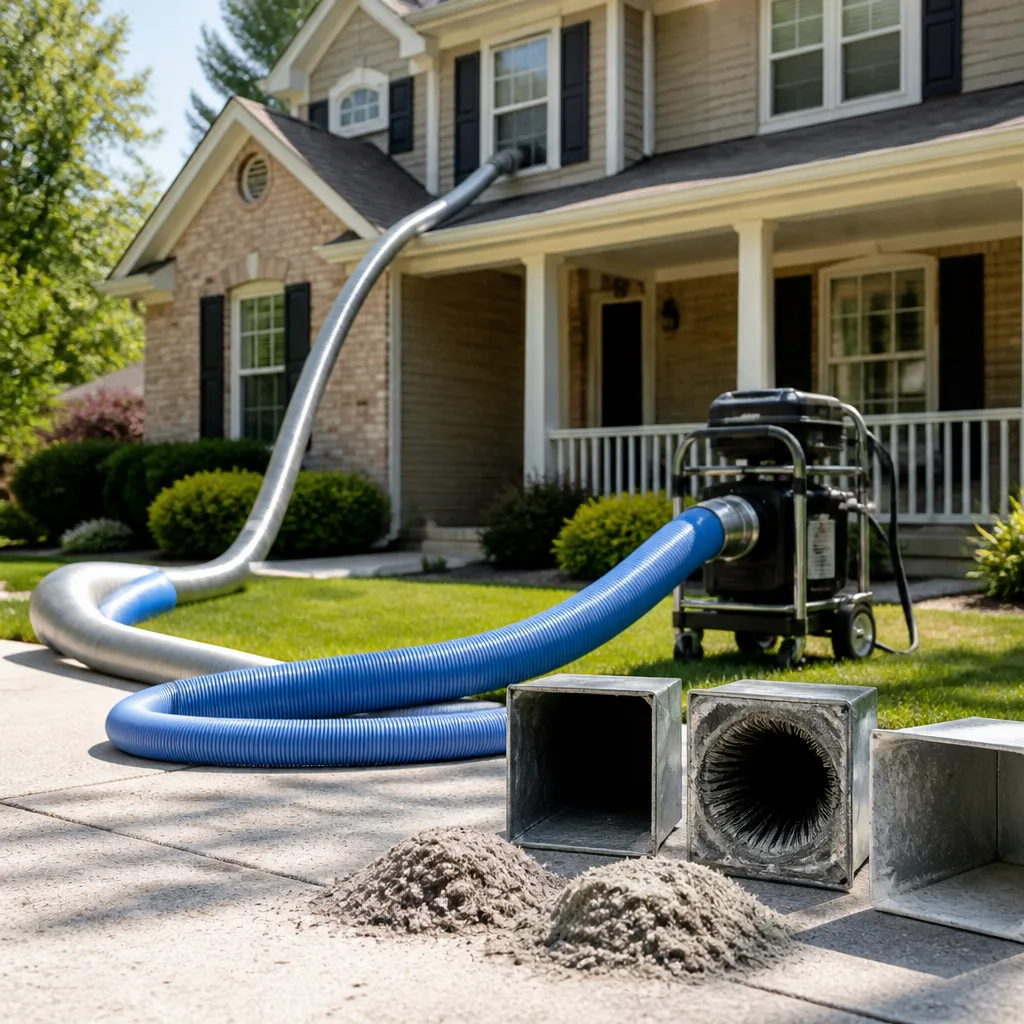 Whole-home duct cleaning
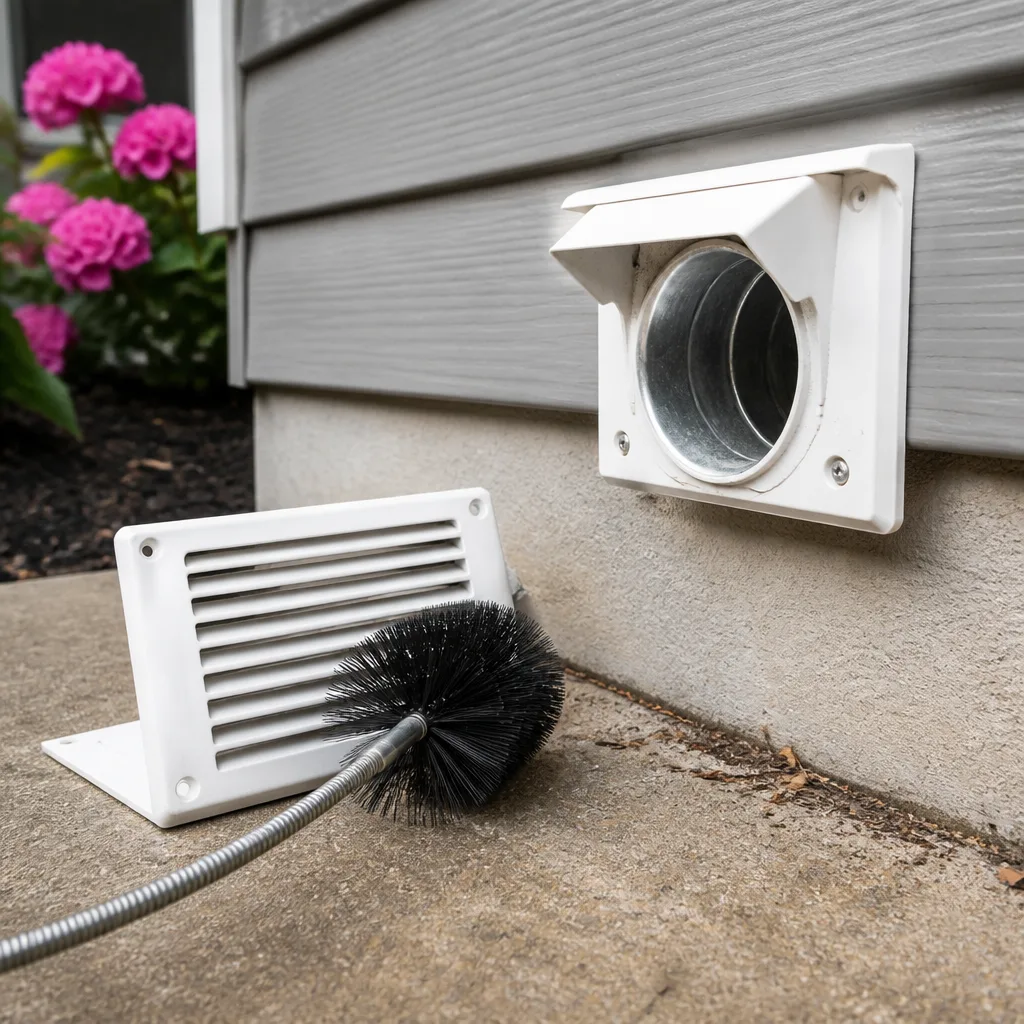 Dryer vent cleaning
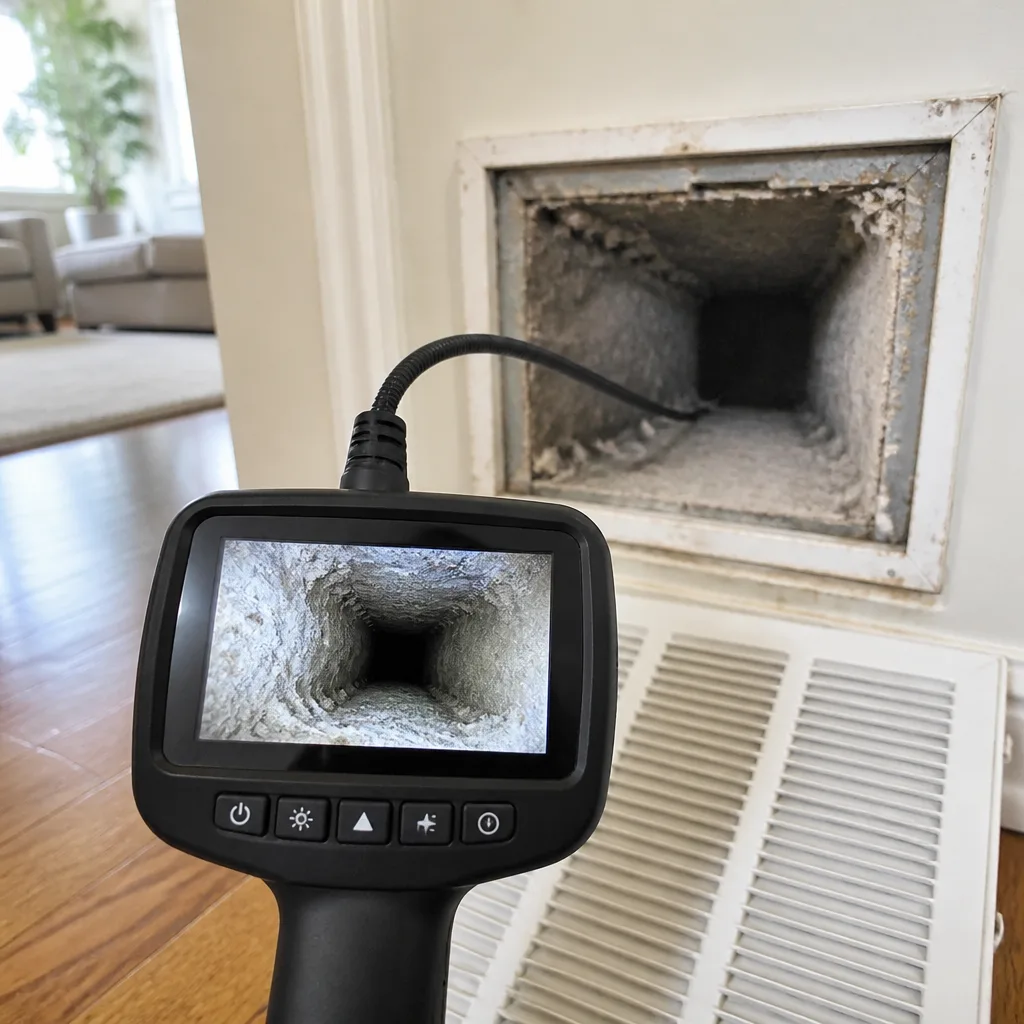 Camera inspection
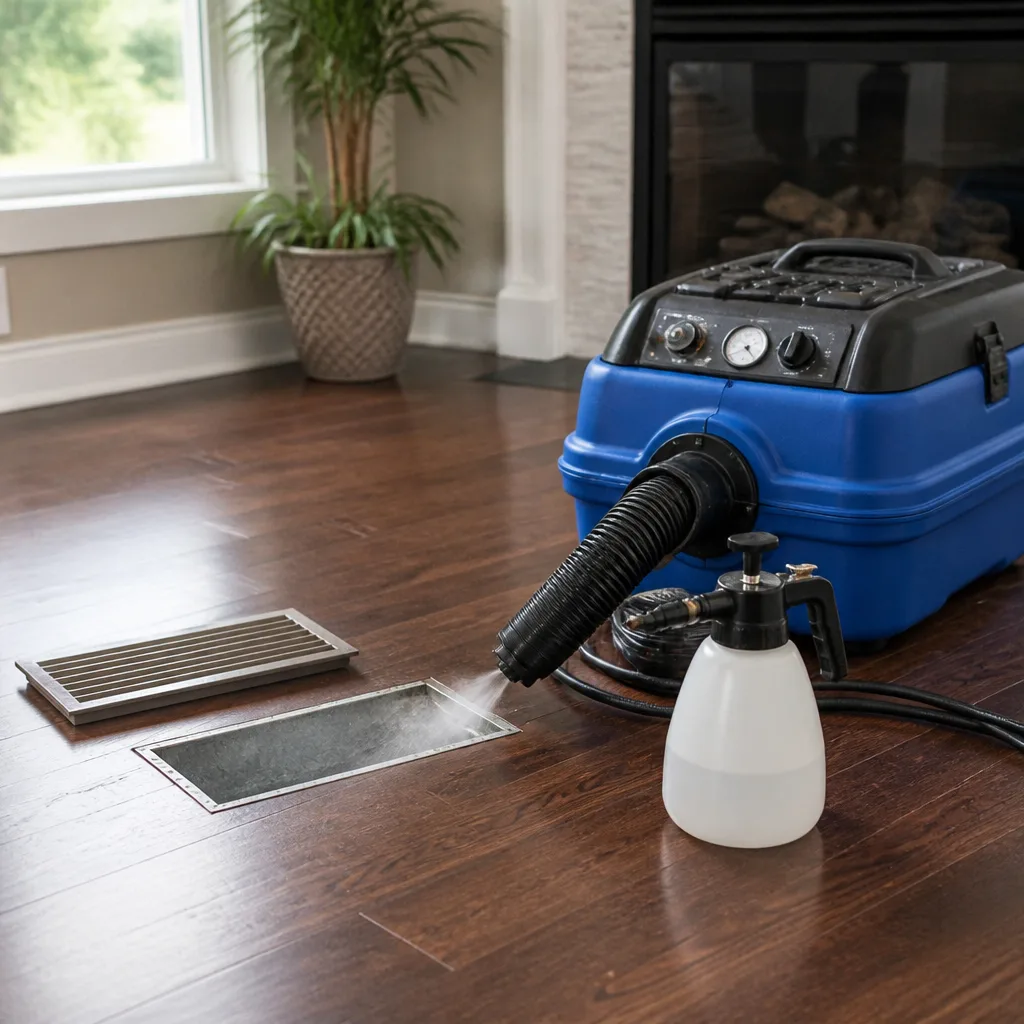 Sanitizing & deodorizing
Whole-system duct and dryer vent check with before-and-after photos - you see exactly what came out of your vents
That "$99 whole-house special" is a bait ad - the real number appears once they are in your hallway, or the "clean" is a shop-vac at the register. We photograph the inside of your ducts before and after instead.
How to Hire an Air Duct Cleaning Contractor in Peralta Hills: A Step-by-Step Guide
Most homeowners hire a duct cleaner the same way they hire a painter: they compare three quotes and pick the middle one. That method fails here, because the thing that separates a real duct cleaning from a cosmetic one isn’t visible in a quote. It’s the equipment sitting in the driveway. A $49 whole-house special and a $700 mechanical cleaning can be written on identical invoices. The difference lives in what happens to the dust inside your system, and whether it leaves the house or just gets stirred around. This guide walks through the questions that expose that difference before any money changes hands. You’ll learn what to ask on the phone, what written scope to demand, how to verify credentials fast, and why per-vent pricing deserves a second look.
Quick Answer
To hire an air duct cleaning contractor in Peralta Hills, ask three things before booking: what agitation system they use (Rotobrush-style rotary brushes or compressor whips, not a shop vacuum), how they create and maintain negative pressure (a sealed vacuum collection unit with HEPA filtration), and whether they’ll put a written scope of work in your hands listing every component cleaned and how results are documented. A contractor who can’t answer all three clearly on the first call isn’t set up for the job. Price should follow the scope, not lead it.
Styles & brands we work with
- Whole-home duct cleaning
- Dryer vent cleaning
- Camera inspection
- Sanitizing & deodorizing
Table of Contents
- Why hiring well matters more in Peralta Hills than the price suggests
- The three phone questions that disqualify a contractor
- What NADCA and ACR standards actually require
- The written scope of work you should never do without
- How to compare quotes when contractors describe the same job differently
- Red flags specific to the Peralta Hills market
- A step-by-step hiring sequence
- What a professional-grade job actually looks like on the day
Why Hiring Well Matters More in Peralta Hills Than the Price Suggests
Peralta Hills is a pocket of larger homes on generous lots, tucked into the Anaheim Hills area of Orange County. Those lots and home sizes change what a proper duct cleaning job costs and how it should be done. A 4,000-square-foot home with two or three HVAC zones has more air pathway than a 1,500-square-foot tract house – more trunk line, more branches, more returns, and often longer runs routed through attic space. The equipment has to be scaled to match.
Compare that to what a discount operator brings. A consumer-grade shop vacuum pulling through a single hose has finite reach and no real way to maintain consistent negative pressure across a house that large. It can knock some dust off the register grilles. It can’t agitate the inside walls of a 20-foot trunk line and hold the debris in a sealed collection system at the same time. On a smaller home, the gap shows less. In Peralta Hills, it shows clearly.
Then there’s the climate. Inland Orange County runs warm and dry through much of the year, and homes here often run the air handler heavily from late spring into fall. More runtime means more air moving through the same ducts, which means more dust and particulate settling on the interior surfaces. That accumulated layer is what gets re-suspended and recirculated whenever the system kicks on. A cleaning that doesn’t actually remove the layer – rather than redistribute it – doesn’t solve the problem the homeowner hired someone to solve.
Add the wildfire smoke that drifts into inland Orange County during fire season. Fine particulate from smoke moves through return ducts and settles with everything else. That’s one reason homeowners here often end up asking about filtration and air quality components, not just duct cleaning. We work with brands like Honeywell and Aprilaire because a cleaning is an opportunity to look at the whole air pathway, filtration included, rather than stopping at the ducts and walking away.
Our technicians have up to 11 years of experience, and the consistent local lesson is this: in this part of Orange County, the equipment gap between contractors isn’t a minor quality difference. It’s the difference between cleaning the system and cleaning the registers.
The Three Phone Questions That Disqualify a Contractor
You can filter out most of the field in a five-minute phone call. Ask these three questions, listen for specifics, and note whether the person on the other end answers directly or slides into a sales script. A credible contractor answers these without hesitation because they’re describing their everyday setup.
1. “What agitation system do you use?”
Agitation is how dust gets broken loose from the duct walls. Air pressure alone leaves a film behind. Real agitation comes from mechanical means – rotary brush systems like Rotobrush, or compressed-air whips that travel the length of the duct and scuff the debris free. Ask for the name of the system. If the answer is “a high-powered vacuum” or “our special equipment,” you’ve learned what you needed to know: there’s no agitation step in their process. A rotary brush system is the professional standard for a reason. It physically scrubs the duct interior while the collection unit pulls the loosened material out.
2. “How do you create and maintain negative pressure?”
Negative pressure is the mechanism that keeps dust inside the system and out of your living room. A proper setup seals a high-powered vacuum unit, often a Nikro-engineered collection system with HEPA filtration, into the duct system, so the entire duct network stays under vacuum during the cleaning. Everything loosened gets pulled toward the collection unit, not toward the nearest open register. If a contractor can’t explain how they maintain negative pressure throughout the job, they can’t promise the dust stays contained. Listen for the phrase “collection unit” or “vacuum truck” or “HEPA filter” – signs of a real containment plan.
3. “How will you show me the work was done?”
The right answer involves before-and-after documentation: photos or video of the duct interiors, taken from inside the system. A contractor with nothing to hide takes photos by habit. The wrong answer is “you’ll notice the difference” or “you can feel it in the air.” Feeling is not documentation. In our experience, the contractors who push back on this question are the ones whose work wouldn’t hold up to a photo.
If a contractor passes these three, you have a short list worth pursuing. If they fail any one, keep dialing.
What NADCA and ACR Standards Actually Require
You’ll see NADCA and ACR thrown around on duct cleaning websites as if they’re interchangeable badges. They’re not, and understanding what the standards actually say helps you separate a verified contractor from a decorated one. NADCA, the National Air Duct Cleaners Association, publishes a standard called ACR, which stands for Assessment, Cleaning and Restoration. It’s the industry’s recognized framework for how duct cleaning should be performed. Meeting it requires specific practices, not just a membership sticker.
What the ACR standard calls for, in plain terms:
- An assessment of the system before cleaning, so the contractor knows what they’re dealing with
- Source removal – physically removing contaminants rather than fogging or spraying them in place
- Cleaning the entire system, including the air handler components and all accessible ductwork, not just what’s visible
- Containment through negative pressure so dislodged debris doesn’t enter occupied spaces
- Documentation of the before-and-after condition
NADCA membership itself is verifiable. The association maintains a public member directory, and you can look up a company by name in about two minutes. A genuine member is listed. A contractor who claims membership but doesn’t appear in the directory has told you something important.
Notice what the standard does not require: a chemically treated system. If a contractor’s pitch leans on “antimicrobial fogging” or “enzyme treatment” as the core of the service rather than source removal, that’s a signal they may be skipping the labor-intensive part. Sanitizing and air quality treatment have a place, but they come after the ducts are mechanically clean. Fogging a dirty duct doesn’t clean it; it treats a film of dust that’s still there.
You don’t have to become a duct cleaning expert to hire well. You do need to know that the standard exists, that it’s verifiable, and that it describes physical removal, containment, and documentation. Those are the questions to carry into any conversation.
The Written Scope of Work You Should Never Do Without
Get the scope in writing before booking. A verbal scope disappears the moment the technician arrives and the story changes. A written scope is what you compare quotes against, and what you hold the contractor to when the invoice comes. It costs nothing to ask for one, and any contractor organized enough to do good work should have one ready.
The scope should answer, in writing:
- Which components get cleaned. Supply registers, return grilles, trunk lines, branch runs, the air handler cabinet, the blower, and the evaporator coil area. If parts of the system are excluded – say, because they’re not accessible – that should be named in the scope, not discovered later.
- What agitation and containment method will be used. The scope should name the equipment. A scope that says “professional cleaning” without specifying the method is a blank check.
- What sanitizer or treatment will be applied, and with what product. If you have chemical sensitivities or family members with allergies, you need to know what’s going into your air pathway before it goes in.
- How results will be documented. Photos, video, written report, or all three. Get the format named.
- What the price covers and what it doesn’t. A whole-system price should be a whole-system price. If the written quote leaves room for add-ons that weren’t discussed, the “estimate” was a number to get in the door.
That last point deserves emphasis. One flat price per system, agreed before work starts, is how a legitimate contractor handles pricing. Not a low per-vent teaser that balloons as work progresses, not a discount advertised online that becomes a much larger invoice once the technician is standing in your hallway. Our position is simple on this: a written estimate sets the final price. Anything else is a bait-and-switch waiting to happen.
If a contractor resists putting a scope in writing – “we can talk it through when we get there” – treat that as the answer it is.
How to Compare Quotes When Contractors Describe the Same Job Differently
Two quotes for “duct cleaning” in Peralta Hills can be $200 apart and describe entirely different jobs. The reason is pricing models. There’s no industry-standard way to quote, and each model incentives different behavior. Knowing what each one rewards lets you compare apples to apples.
The per-vent model
Per-vent pricing charges by the number of registers or vents in the home. It’s easy to understand and easy to advertise. The trouble is what it rewards: a contractor who moves through vents quickly, because each one is a line item on the invoice. And it punishes the homeowner with a large or complex system, since more vents means a bigger bill even when the density of dirt is the same. Worse, per-vent pricing invites the bait-and-switch: quote a low per-vent number to win the job, then upsell “remediation” once the technician is inside.
This model also tends to under-count the air pathway. A large Peralta Hills home with multiple zones, returns, and long trunk runs has significant duct surface area between the registers. Per-vent pricing treats the vents as the job and the ductwork between them as a fixed cost, which rarely matches reality.
The flat-rate whole-system model
Flat-rate pricing quotes a single price for the whole system, based on an assessment of the actual scope, home size, and system complexity. It rewards thoroughness, because the contractor’s labor is no longer tied to how fast they move through each register. It also makes the cost of the job legible up front, which is what you want when you’re writing a check.
When you’re comparing quotes, translate each one into a list of deliverables: what gets cleaned, with what equipment, how documented, with what treatment, and what the final price covers. Then compare the deliverable lists, not the totals. Two quotes that look $300 apart may actually be describing two different services. The cheaper one is often the one that cleans less.
One more comparison aid: ask each contractor to note on the quote how many square feet the home’s air pathway covers, or at least how many HVAC zones. If the number varies wildly between quotes for the same house, the cheaper quote is likely estimating a smaller job than the one you need.
Red Flags Specific to the Peralta Hills Market
Some problems follow duct cleaning contractors everywhere. A few are specific to this part of Orange County, and knowing them saves you the phone call. In a market with large homes on large lots, operators from outside the area can look plausible on paper while being badly mismatched to your house.
Vague service area listings
A contractor who advertises “serving Orange County and surrounding areas” without naming a specific range or base of operations is often blanketing a whole region from a phone number and a website. Vague geography isn’t automatically disqualifying, but it’s a prompt to ask where the crew actually comes from and how they’ll handle a large custom home. A contractor who runs jobs in the Peralta Hills area regularly will speak to the typical system sizes here. One who’s never set foot in the neighborhood probably won’t.
No verifiable business presence
A physical business address you can verify – not just a PO box, not just a phone number, not just a landing page. In a market where lots of operators advertise here from elsewhere, verifying a real business presence is basic due diligence. It takes one search. A legitimate contractor is findable outside their own website.
Pricing that doesn’t account for home size
If the quoted price is identical for every home in Peralta Hills regardless of square footage or number of zones, the quote isn’t real. Larger custom homes cost more to clean properly because there’s more to clean and more equipment time involved. A quote that doesn’t reflect that is either estimating a small house or planning a shallow job.
The “$49 whole-house special”
You’ll see variations on this online. It’s worth naming plainly: a whole-house cleaning, done with real equipment and actual containment, cannot be delivered at that price. The number is advertising. What a discount operator typically does with it is arrive, perform a surface pass with consumer equipment, then present a much larger additional cost for “remediation” of what they found. Sometimes what they “find” is pre-scripted. If the ad price and the honest price are impossible to reconcile, the ad is the red flag.
Pressure to treat before cleaning
A contractor who leads with antimicrobial fogging or chemical treatment before doing the mechanical cleaning labor has the process backward. Cleaning comes first; treatment is a follow-up step, not a substitute for agitation and extraction.
A Step-by-Step Hiring Sequence
Here’s the sequence that separates a good hire from a regretful one, in order. Work through it over an afternoon, not a phone call.
- Make a short list of three to four contractors. Use word of mouth, neighborhood referrals, and a quick search for air duct cleaning in the Peralta Hills area. Include at least one contractor who advertises real equipment by name. Skip any ad price that seems too low to be real.
- Verify membership and presence. For each candidate, look up NADCA membership in the public directory and confirm a real business address. This is the two-minute verification step most homeowners skip.
- Call each and ask the three questions. “What agitation system do you use?” “How do you create and maintain negative pressure?” “How will you show me the work was done?” Listen for equipment names, containment language, and documentation habits. Cross off anyone who can’t answer.
- Request written scopes. Ask every remaining contractor for a written scope of work and a written estimate. Compare the deliverable lists, not just the totals.
- Ask about the whole air pathway. For homes with old flex duct, disconnected joints, or visible gaps at the plenum, ask whether repair and sealing is part of the service or a separate call. A contractor who understands that cleaning a leaking system is wasted effort will bring this up. We seal what we clean, and we recommend the same standard for anyone you hire.
- Confirm the price is flat and final. One price for the whole system, agreed in writing before work starts. No per-vent surprises, no add-ons discovered mid-job.
- Ask what happens on the day. When they’ll arrive, what equipment comes in, how they protect your floors and furniture, how they’ll document results. A contractor who has answered this a few hundred times won’t stumble.
That sequence takes about half a day. It replaces the guesswork of comparing dollar totals with a set of clear yes-no filters. In this market, that’s time well spent.
What a Professional-Grade Job Actually Looks Like on the Day
It helps to know what you’re looking for once the contractor is on site, because a homeowner who knows the shape of a proper job is much harder to upsell. Here’s what a professional-grade residential cleaning involves, start to finish.
The crew begins with an assessment – walking the system, checking register airflow, and inspecting the accessible ductwork to understand the scope. Then they seal the collection unit into the main trunk or return, set up containment to keep the working area clean, and turn the system on to put the ductwork under negative pressure. The rotary brush system, whether Rotobrush or an equivalent mechanical agitation tool, feeds through the ducts from register to trunk, scuffing the walls and loosening the accumulated layer. The collection unit draws the loosened material into a HEPA-filtered containment system, so it leaves the house rather than being redistributed.
On homes with significant allergen load, mold risk, or post-renovation debris, the job may bring in higher-grade filtration, like the equipment Abatement Technologies makes. That capability matters in this market: larger homes, wildfire smoke season, and remodeling dust are real here, and the equipment needed to handle them is not the same as the equipment needed to vacuum a register grille.
Next comes the air handler and coil cleaning, done carefully by hand, since those components are where buildup affects system efficiency the most. Then the sanitizing and treatment step, applied after the ducts are clean. And last, documentation: photographs and, in many cases, video from the inside of the ductwork, showing the before and after. A contractor at this level brings photographs without being asked.
That’s the shape of a proper job. Notice that most of it is invisible from the living room, which is exactly why the before-and-after photos exist. And notice what it isn’t: a shop vacuum, a hose, and a quick pass through the registers. Those are two different services under the same name, and the hiring process is how you make sure you’re getting the one you’re paying for.
Worth knowing about repair and sealing
If your ductwork has visible gaps, disconnected joints, or sections of old flex ducting that have lost their seal, cleaning alone won’t solve the problem. A system that leaks 20 percent of its conditioned air into an attic is wasting energy no matter how clean the ducts are. Duct repair and sealing is a natural extension of a cleaning visit for that reason – the contractor is already inside the system and has already seen what needs fixing. Ask about it up front. While you’re at it, ask about filtration and humidity control hardware too – Honeywell and Aprilaire components are worth understanding as part of a longer-term indoor air quality plan, not as an add-on sold at the door.
Common Mistakes to Avoid
- Hiring on price alone. The lowest quote is often the cheapest service, not the best deal. Build your short list on equipment and documentation first, then compare totals – otherwise you’re ranking the wrong thing.
- Accepting a verbal scope. A scope that only exists on the phone disappears when the technician arrives. In a larger-home market like Peralta Hills, where the system and its components are more complex, the written scope is your only protection against a job that shrinks once work starts.
- Not verifying NADCA membership. A contractor can claim it without being listed in the public directory. Take the two minutes to check. If the name isn’t there, the claim isn’t worth the ink on the website.
- Fogging instead of cleaning. If a contractor’s pitch centers on antimicrobial fogging or enzyme treatment before any mechanical agitation or extraction, they’re treating a dirty duct rather than cleaning it. Source removal comes first; treatment comes after.
- Pricing per vent. Per-vent quotes reward speed over thoroughness and tend to under-count the full air pathway in larger homes. Flat-rate whole-system pricing aligns better with what you actually want done.
- Falling for the ad price. A “$49 whole-house special” is a number to get a technician inside. Assume the real price is far higher once the upsell arrives, and treat the ad itself as the warning.
- Skipping the documentation ask. Before-and-after photos are the only reliable way to know what happened inside the ducts. Ask for them before booking. A contractor who routinely photographs the work will offer them unprompted.
- Not asking about sealing. A clean but leaky system still wastes air. Ask whether repair and sealing is part of the service, and if not, who will handle the gaps once the cleaning is done.
See the difference
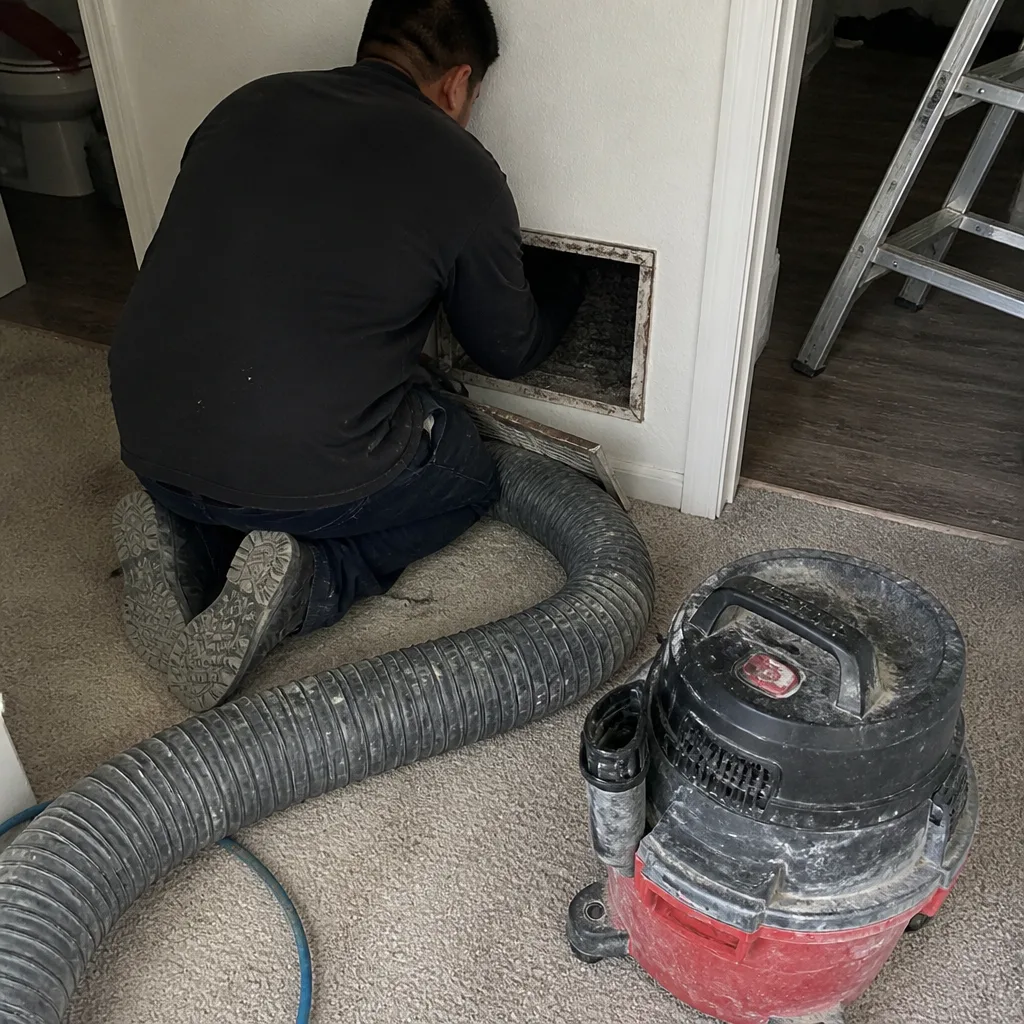 Before
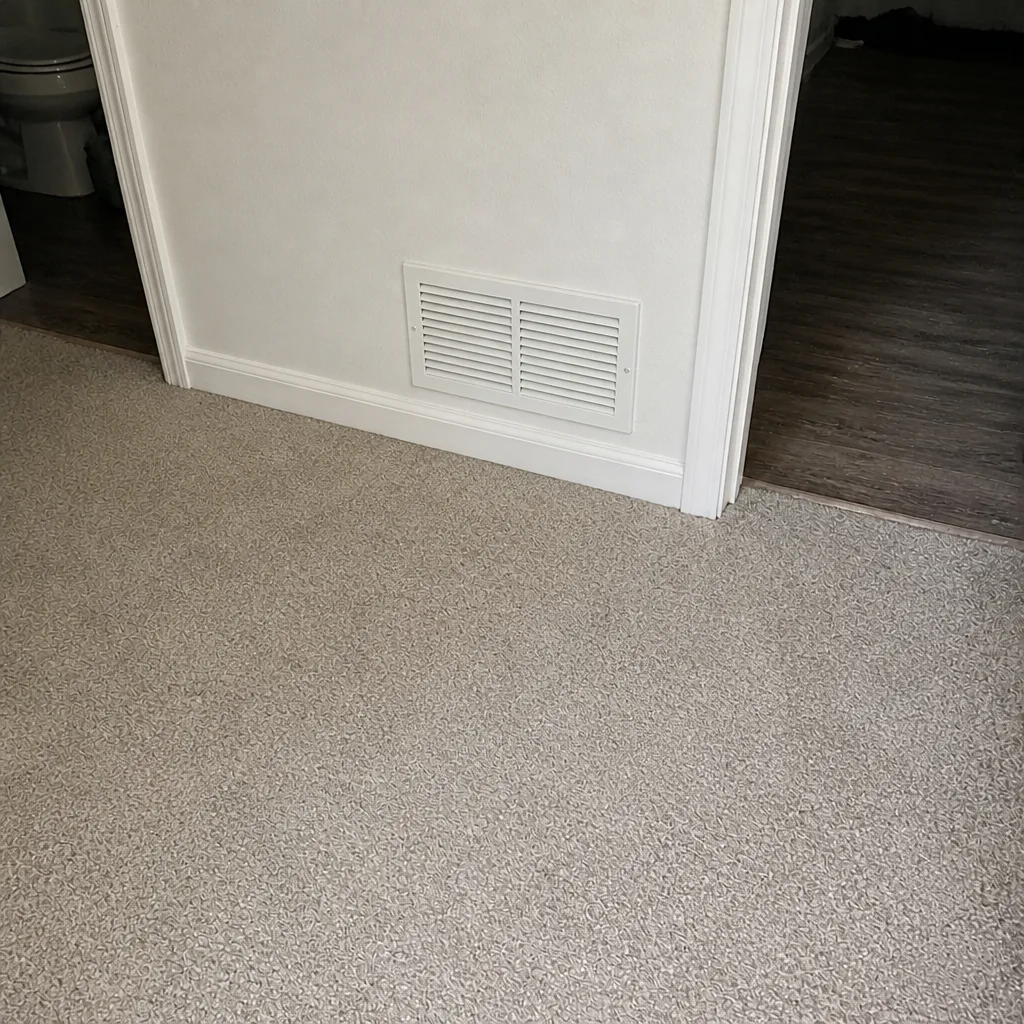 After
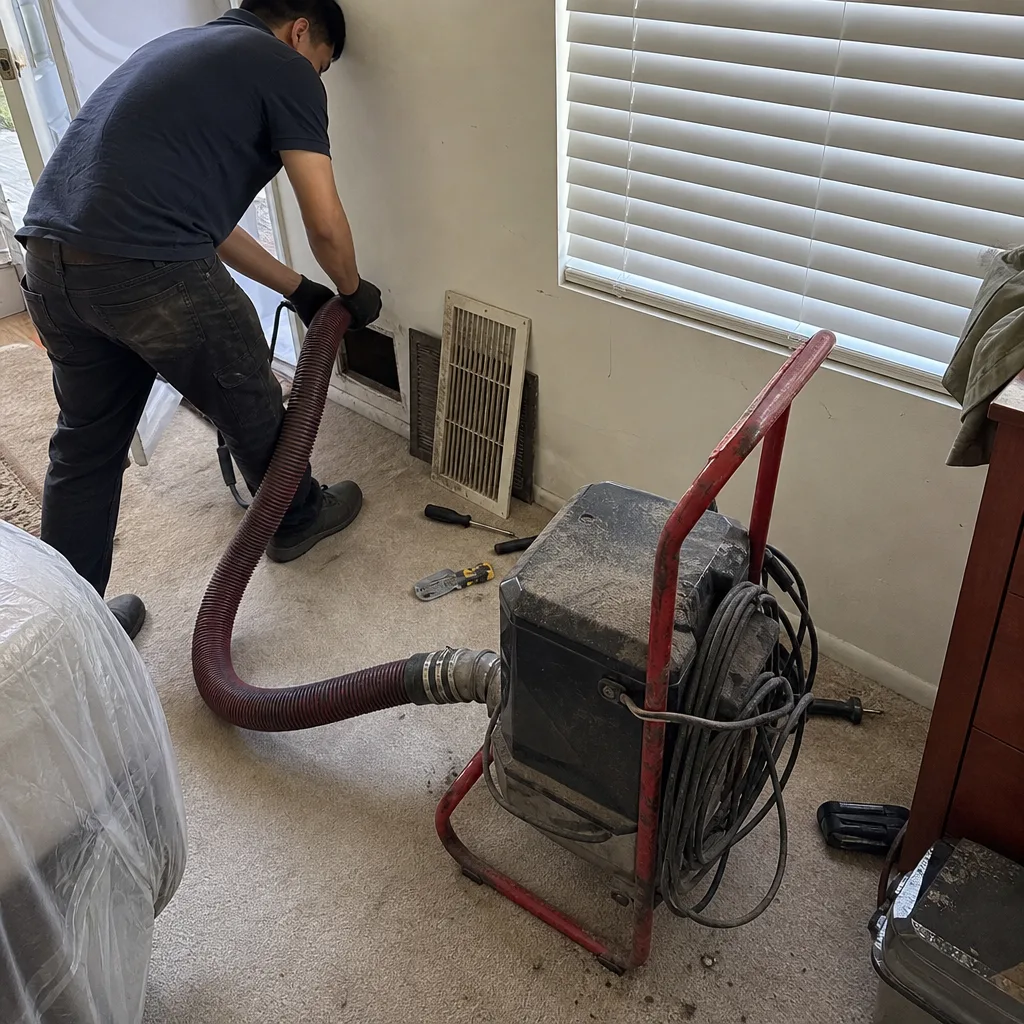 Before
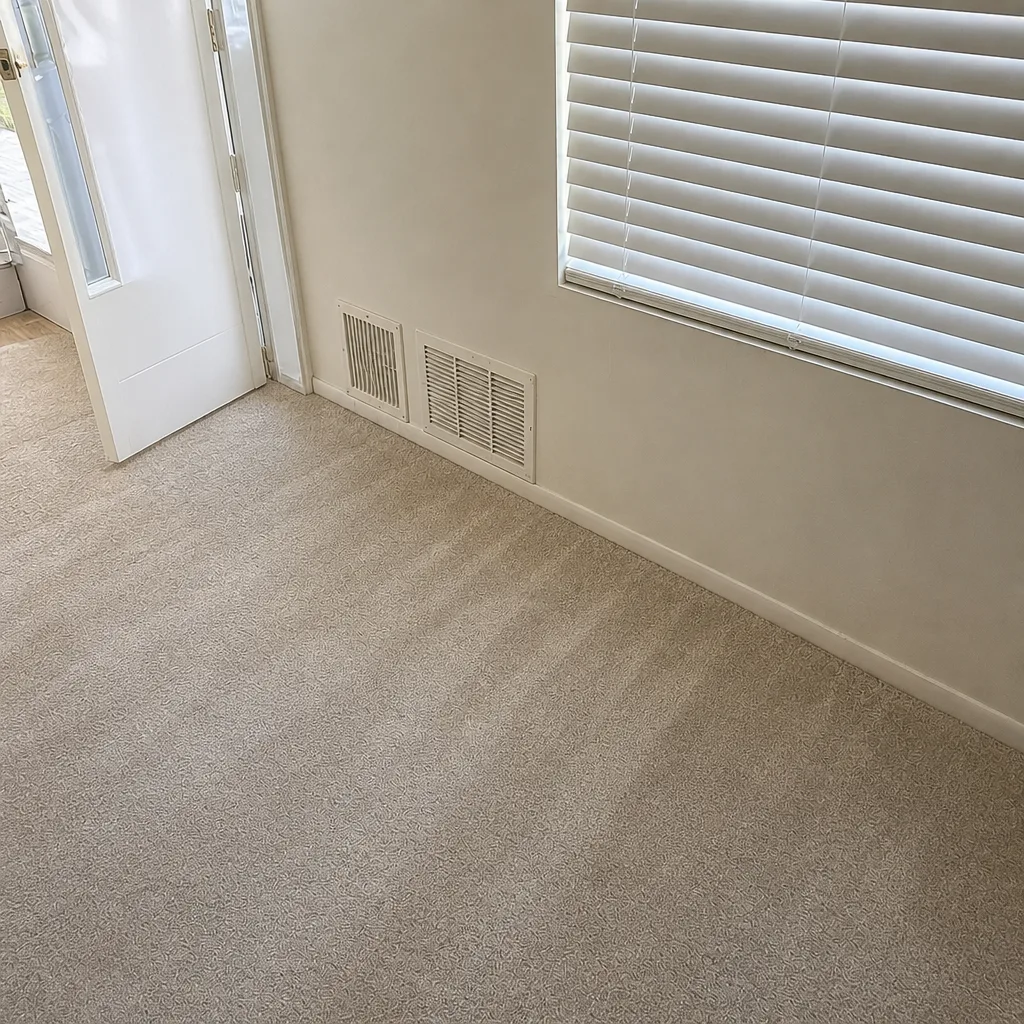 After
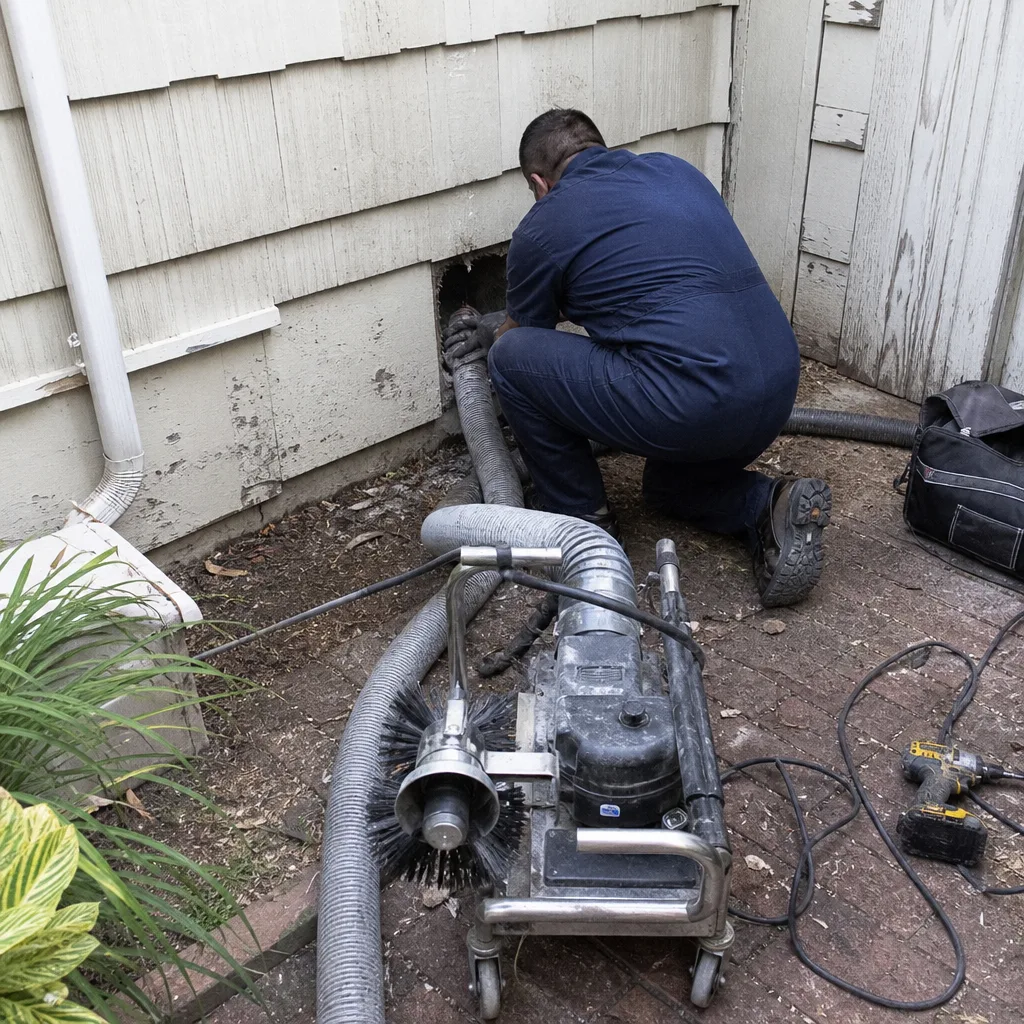 Before
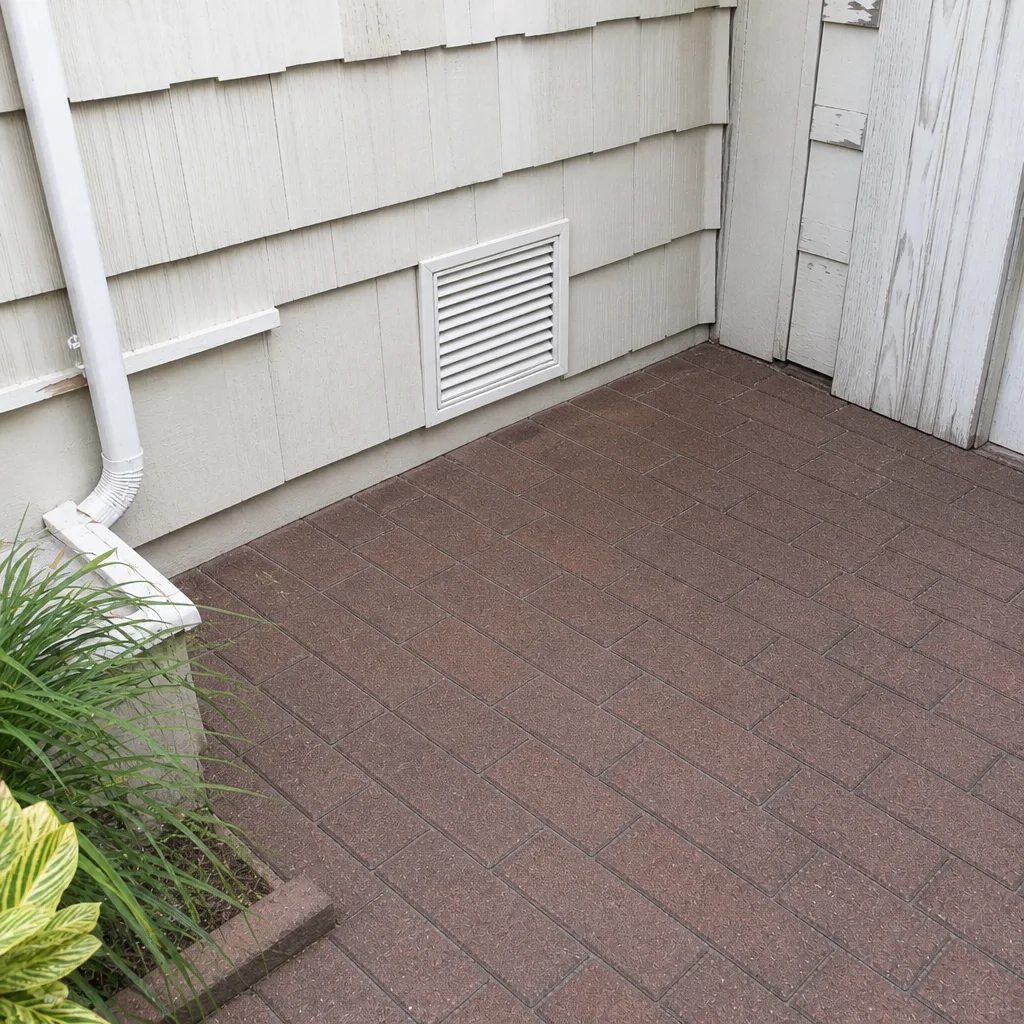 After
When to Call a Professional
Some signs point clearly to a professional visit rather than a wait-and-see. Visible dust blowing from supply registers when the system turns on. A musty or stale smell that returns shortly after cleaning instead of fading. A noticeable drop in airflow at registers, or rooms that stay warm while others cool fine. A recent remodel, which fills return ducts with construction particulate. A new home purchase in Peralta Hills, where the previous owner’s system history is unknown and a verified clean slate makes sense before move-in. A family member with allergy symptoms that cluster when the HVAC is running. A dryer that takes two cycles to dry a load, which points at a clogged dryer vent and a genuine fire-safety concern. And any visible mold inside accessible ductwork, which is a job for a professional with remediation-grade filtration, not a homeowner with a shop vacuum. Air Duct Cleaning Peralta Hills offers free estimates in Peralta Hills – call (844) 625-7411.
Frequently Asked Questions
Typical whole-system air duct cleaning in the Peralta Hills area lands in a broad range depending on home size, number of zones, system complexity, and what additional services are included. Larger custom homes with multiple HVAC zones sit at the higher end; smaller single-zone homes sit lower. The written estimate sets the final price, and the price should be flat and whole-system rather than per-vent. Call (844) 625-7411 for an exact quote – estimates are free.
Cheap quotes are usually describing a different, smaller job. The low price often reflects a surface-level pass with consumer equipment, priced per vent with the expectation of an upsell once the technician is on site. Real agitation, containment, and documentation cost more to deliver, and a quote that reflects that work will reflect that cost. Compare the deliverable lists, not the totals. Call (844) 625-7411 for a flat whole-system estimate – estimates are free.
Ask for before-and-after photos or video taken from inside the ductwork. A contractor with real processes documents the work by habit, not by request. If the answer is “you’ll notice the difference,” that’s not documentation. Ask up front what format the report will take. Call (844) 625-7411 to discuss documentation on your free estimate.
It depends on the system, not on a calendar. Homes with pets, recent remodeling, allergy sufferers, or heavy HVAC runtimes need it more often; newer homes with sealed ductwork and clean filters need it far less. A practical rule: if you can see dust at the registers, smell stale air when the system starts, or you’ve had recent construction, get an assessment. A written scope will tell you what your system needs before you commit to a schedule. Call (844) 625-7411 for a free estimate.
Yes, and it takes about two minutes. NADCA maintains a public member directory you can search by company name. A genuine member is listed; a claim with no listing in the directory is worth treating with skepticism. The ACR standard behind NADCA membership is also worth understanding: it describes source removal, containment, and documentation, which are the practices that separate real cleaning from surface work. When you call a contractor, ask how their process meets those standards. Call (844) 625-7411 for a free estimate and a straight answer.
It can help when the source is accumulated dust, pollen, or microbial growth inside the ductwork. Removing that material, in combination with a properly sealed system and the right filtration, is often what makes the difference. Where mold risk or heavy allergen load is present, remediation-grade filtration and sanitizing after the mechanical cleaning matter. It’s not a standalone fix – it’s part of an air quality plan. Call (844) 625-7411 to talk through your system and get a free estimate.
After. Renovation work fills return ducts with construction debris, so cleaning before the work is finished gets undone by the next trade. Wait until the dust has settled – literally – then schedule a cleaning with a contractor equipped for post-construction particulate. If you’re planning to move into a recently renovated Peralta Hills home, a cleaning before move-in makes sense. Call (844) 625-7411 for a free estimate.
The Bottom Line
Hiring a duct cleaning contractor in Peralta Hills comes down to a few clear filters, and none of them are price. Ask what agitation system they use, how they maintain negative pressure, and how they’ll document the work. Verify their credentials in a public directory rather than taking a website’s word for it. Get a written scope and a flat whole-system estimate, not a per-vent teaser. Understand that the contractors advertising $49 specials are selling a different service than the one you need. Do those four things, and the field narrows fast. You’ll end up with a cleaner system, a documented result, and an invoice that matches the quote.
Air Duct Cleaning Peralta Hills serves homeowners, landlords, and property managers across the Peralta Hills area with professional-grade equipment: Rotobrush and Nikro systems for mechanical agitation and negative-pressure extraction, Abatement Technologies filtration for jobs involving allergens, mold risk, or post-renovation particulate, and Honeywell and Aprilaire familiarity when it’s time to think about filtration and humidity control in the same visit. Our five services cover the full air pathway – air duct cleaning, dryer vent cleaning, HVAC cleaning, duct repair and sealing, and air quality and sanitizing.
Call (844) 625-7411 for a free estimate. We answer 24/7. Fast dispatch from 7am to 7pm, Sunday through Friday.
Explore the related services and pages below:
Written by the team at Air Duct Cleaning Peralta Hills.