
Last updated November 25, 2026
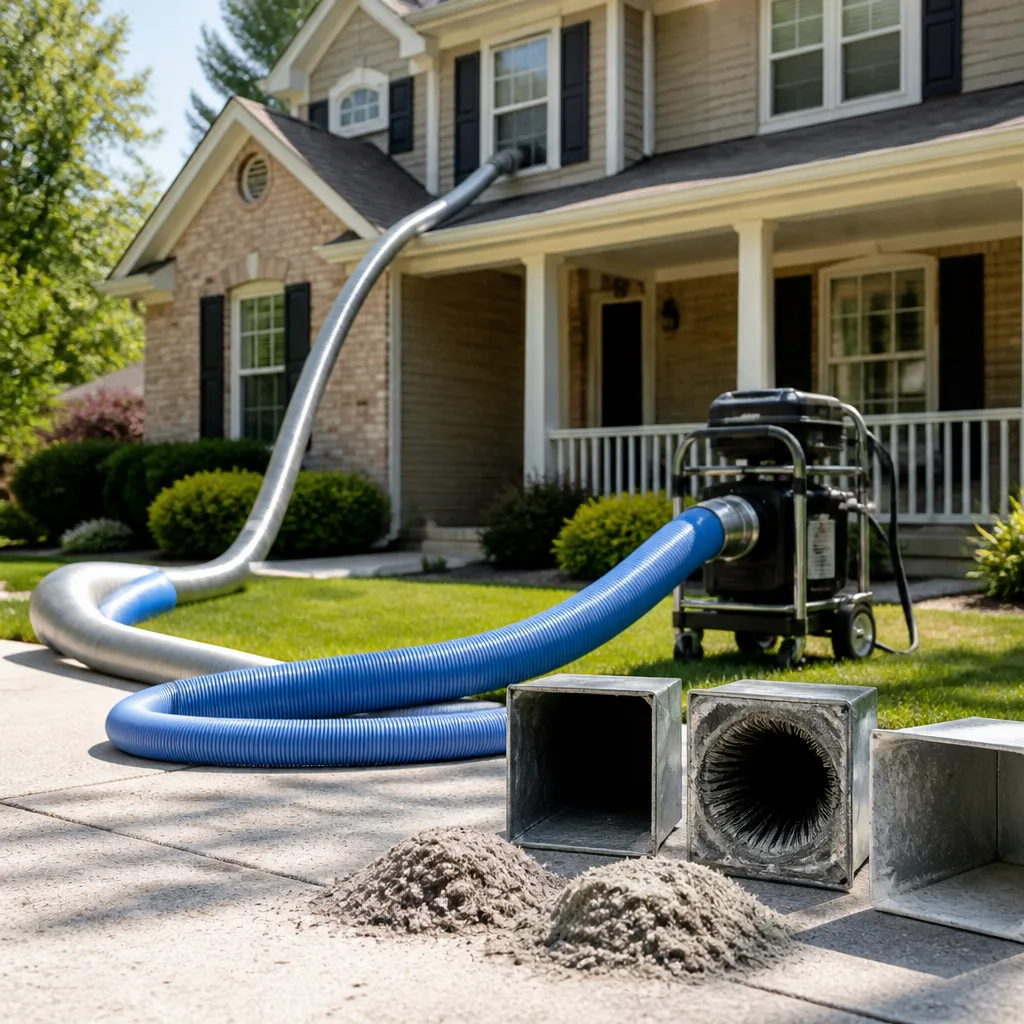 Whole-home duct cleaning
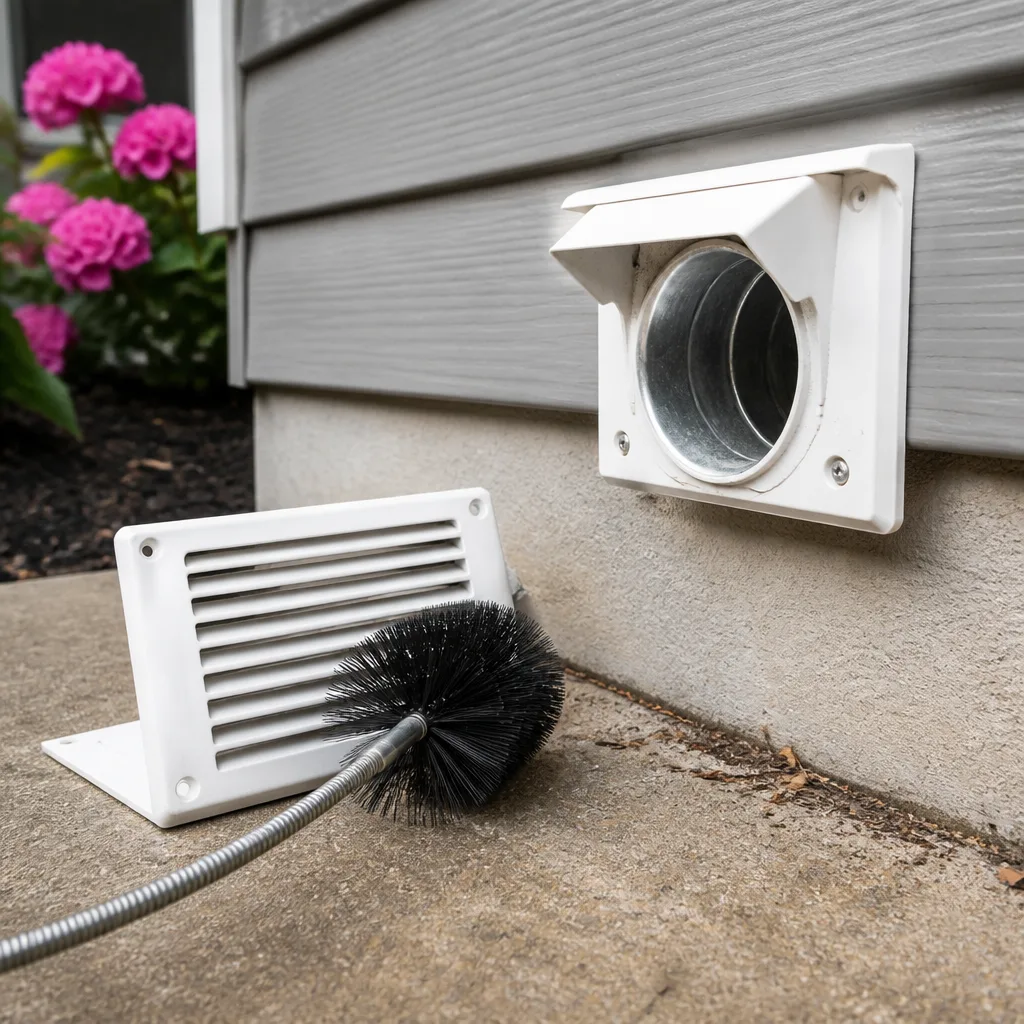 Dryer vent cleaning
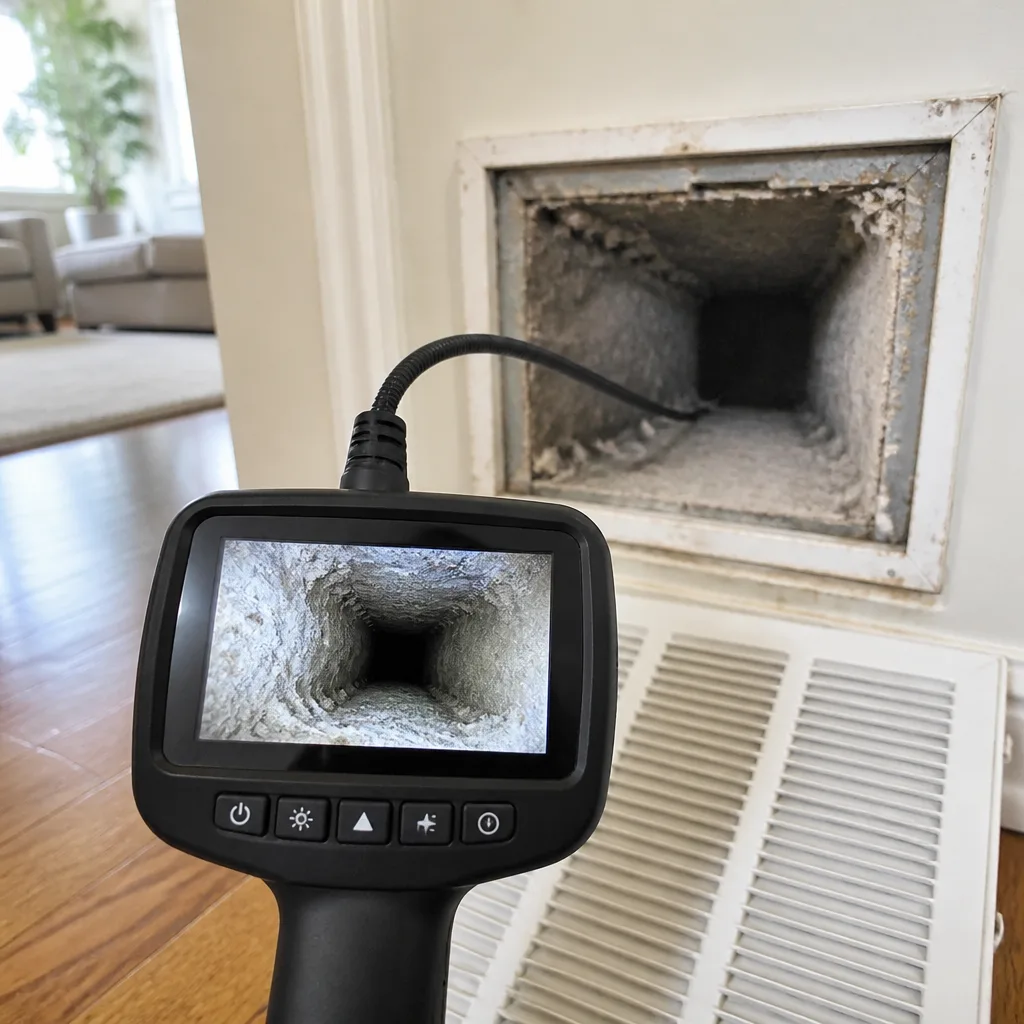 Camera inspection
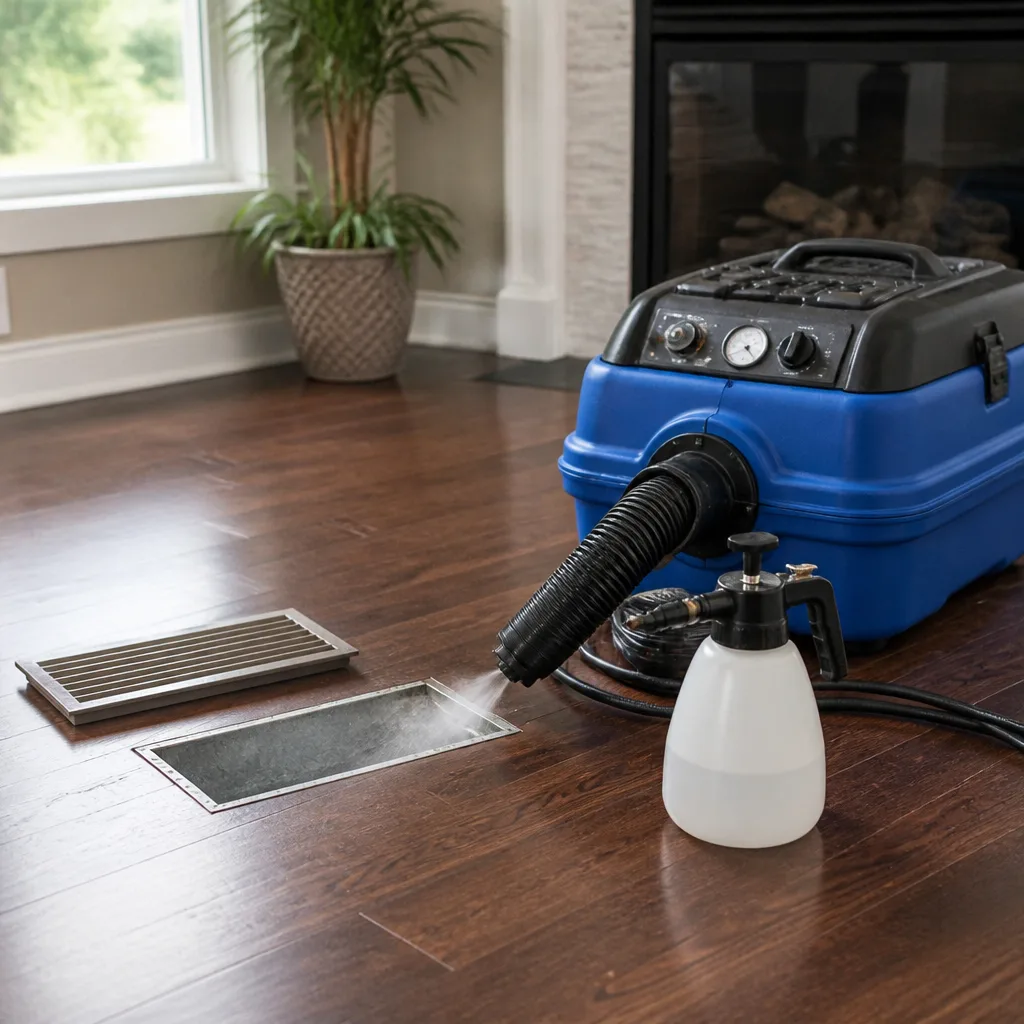 Sanitizing & deodorizing
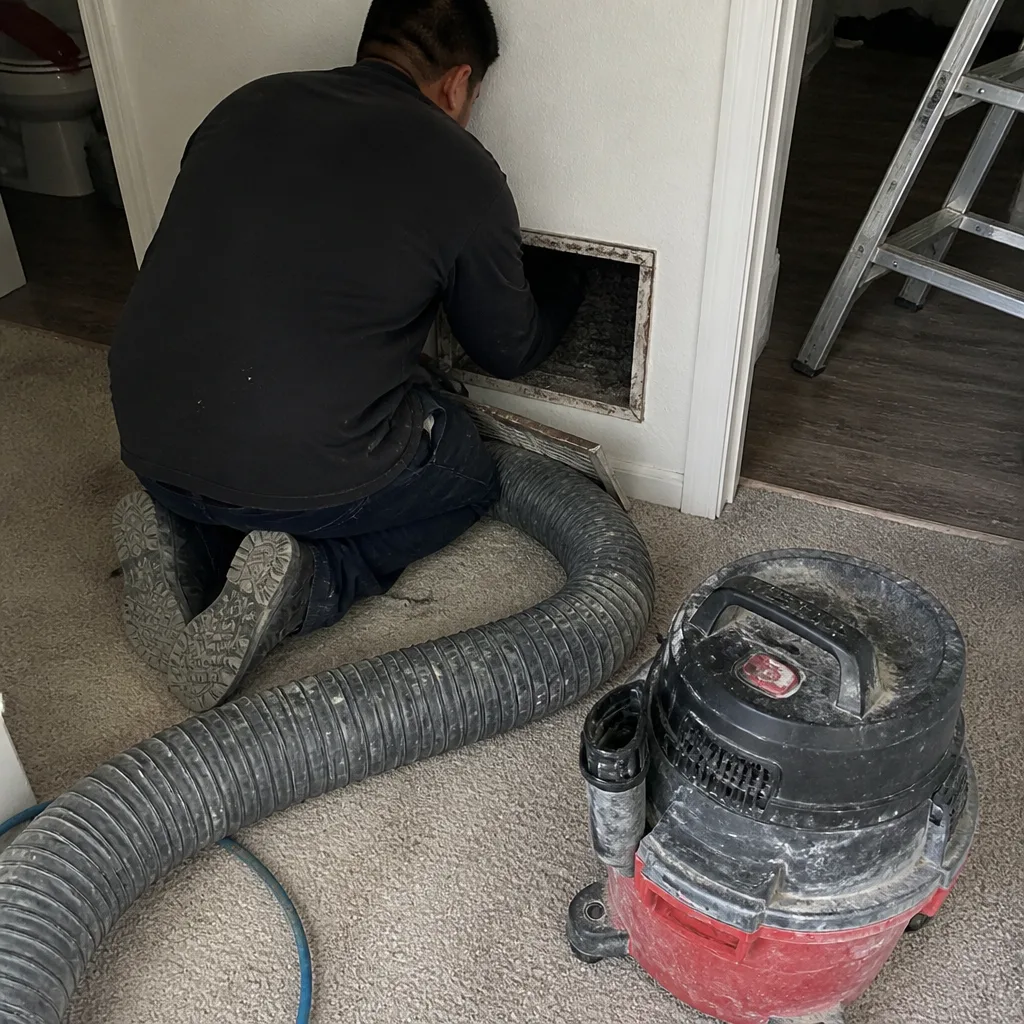
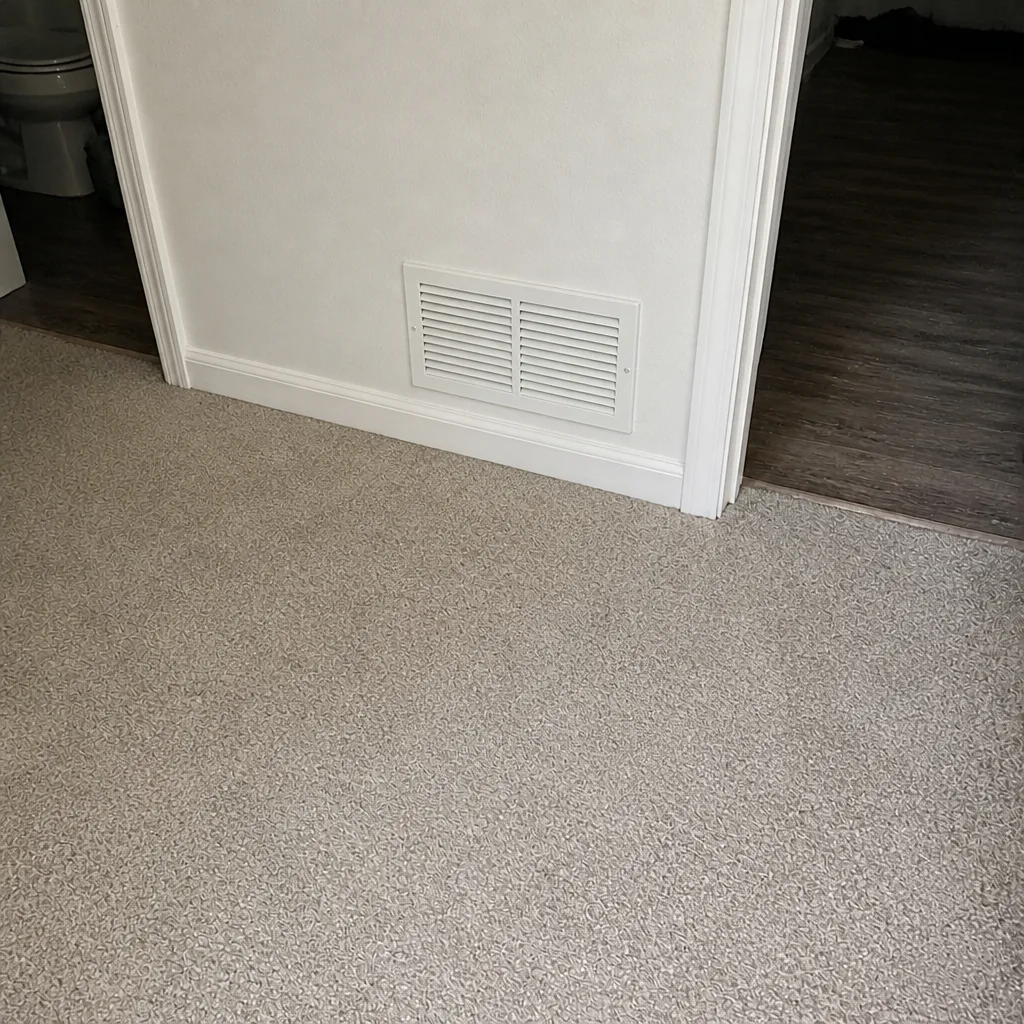
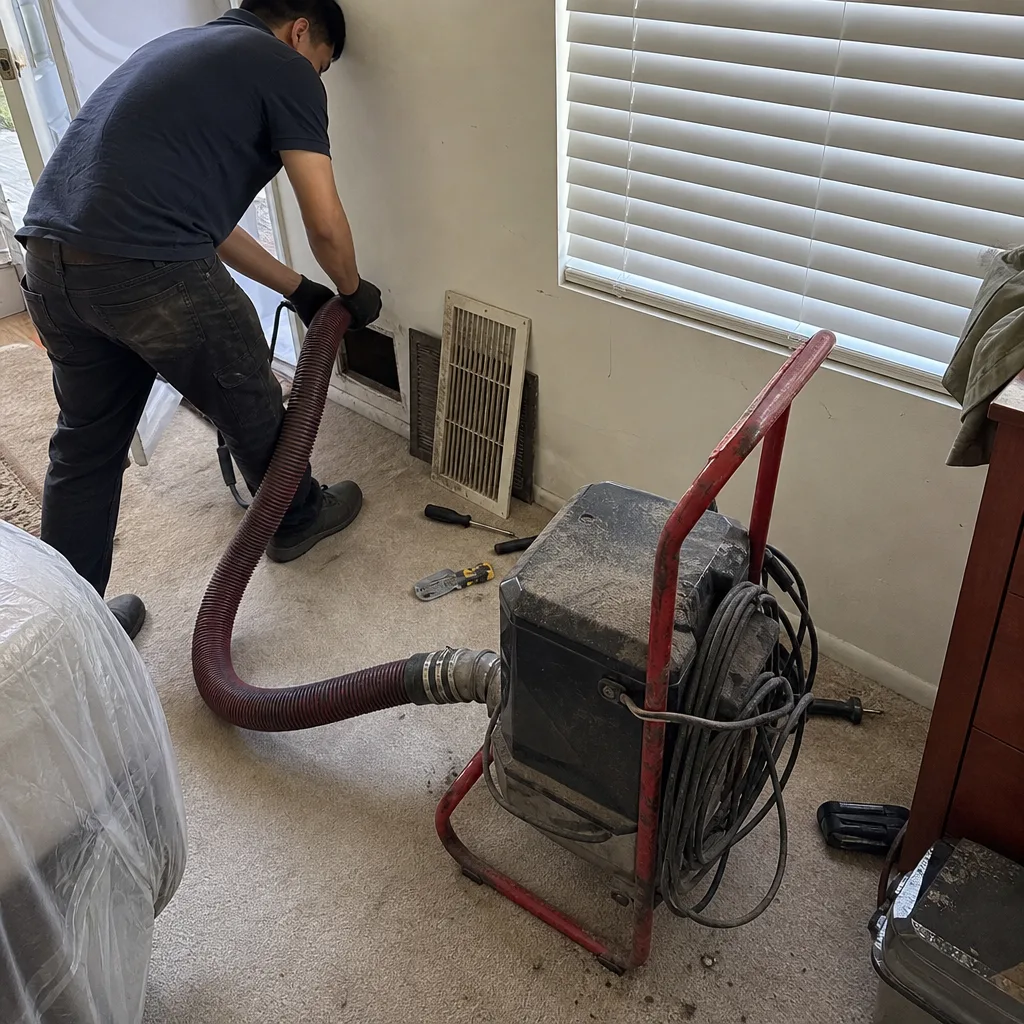
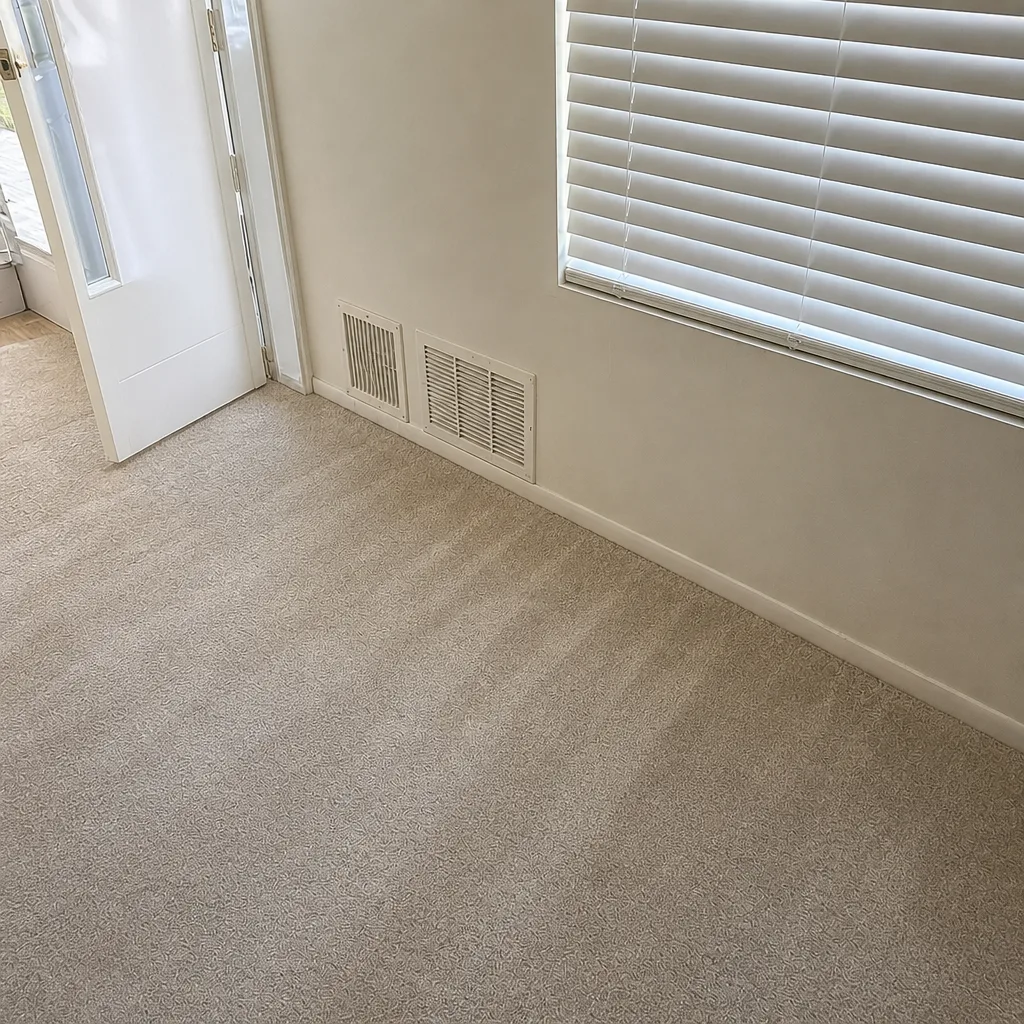
Whole-system duct and dryer vent check with before-and-after photos - you see exactly what came out of your vents
That "$99 whole-house special" is a bait ad - the real number appears once they are in your hallway, or the "clean" is a shop-vac at the register. We photograph the inside of your ducts before and after instead.
Air Duct Cleaning Permits, Codes & Inspections in Peralta Hills, CA: What You Need to Know
Most homeowners assume a duct cleaning crew never needs a permit. Usually they’re right. But in Peralta Hills, and across California, the job changes character the moment a technician starts cutting out damaged flex duct, sealing joints, or replacing a run of ductwork. That’s no longer cleaning. Under California’s mechanical and energy codes, it’s an alteration, and alterations have rules. This guide explains exactly where the line sits, what Orange County’s building department expects, what California’s Title 24 energy code requires of sealed duct systems, and what documentation you should hold onto even when no permit is involved.
Quick Answer
Straight cleaning of an existing duct system generally does not require a building permit in Peralta Hills or anywhere in Orange County. Permit territory begins when the work moves into repair, replacement, alteration, or relocation of ductwork: cutting into the system, replacing more than a small section of duct, changing its size or routing, or modifying the equipment it connects to. When in doubt, the homeowner or the contractor should confirm scope with the Orange County building department before work starts.
Styles & brands we work with
- Whole-home duct cleaning
- Dryer vent cleaning
- Camera inspection
- Sanitizing & deodorizing
Table of Contents
- Where cleaning stops and permitted work begins
- How California Title 24 treats duct repair and sealing
- Orange County jurisdiction: who permits what
- What an inspection actually looks like
- What to document even when no permit is needed
- Why unpermitted duct work can put your insurance at risk
- Questions to ask before you authorize any repair
Where Cleaning Stops and Permitted Work Begins
California Mechanical Code Section 505 is where the distinction lives. The code distinguishes between routine maintenance of a system already in place and work that alters the system. Cleaning, in the code’s eyes, is maintenance. Removing debris, agitating duct walls with a rotary brush, extracting the loosened material under negative pressure, sanitizing the interior surfaces: none of that changes the system, so none of it triggers a permit. That’s the part of a Peralta Hills duct cleaning that stays on the maintenance side.
The picture shifts when the scope crosses into any of the following:
- Removing and replacing a section of duct, whether rigid or flex
- Cutting new openings into trunk lines or branch runs
- Changing duct size, routing, or the number of supply and return points
- Adding, removing, or relocating a register or grille in a way that affects the system’s balance
- Repairing disconnected or crushed duct in inaccessible spaces in a way that changes the assembly
- Any work that touches the air handler or the connections to it
Some of those jobs are still exempt in residential settings depending on scope and on how the local jurisdiction reads the code, and some are firmly in permit territory. The practical rule we use: if a job changes the shape, size, or number of pathways air travels through, ask the building department before touching anything. A duct repair and sealing scope that sounds small on paper can involve cutting out a crushed run behind a wall in the Ranch-style homes common in Peralta Hills, where the original 1970s-era ductwork is often flex routed through tight attic and crawl spaces.
How California Title 24 Treats Duct Repair and Sealing
Title 24 is the state’s energy code, and it applies to duct systems the moment a contractor makes repairs or modifications. A cleaning job where everything stays intact falls outside it. A cleaning job where the technician discovers a run of duct that’s torn, disconnected, or leaking badly enough to be sealed or replaced falls inside it. That’s the transition most homeowners never get told about, and it’s the single biggest compliance gap in the trade.
Three things Title 24 cares about on a duct system you’re altering:
- Duct sealing. Joints, seams, and connections have to be sealed to the code’s standard. Mastic, approved tape, and aerosol sealing systems all meet it when applied correctly. Loose cloth tape from the 1980s does not.
- Duct leakage limits. Altered systems have specified leakage thresholds. Demonstrating compliance typically means a duct leakage test measured by a technician with calibrated equipment, with the result documented.
- Insulation integrity. Ductwork passing through unconditioned space, which in Peralta Hills means almost everything in the attic, must hold its insulation. A cleaning that tears duct insulation and doesn’t repair it leaves the system out of compliance even if it’s cleaner.
In our experience, the aerosol sealing systems and mastic-based sealing that accompany a proper HVAC cleaning are what bring a damaged system back into spec. If a contractor can’t tell you which standard they’re sealing to or produce a leakage measurement after sealing, you don’t have a documented Title 24 job. You have a promise.
Orange County Jurisdiction: Who Permits What
Peralta Hills sits in unincorporated Orange County, which means building permits for mechanical and duct work run through OC Public Works / OC Building & Safety rather than through a city building department. The city of Anaheim surrounds the community on most sides, and that boundary matters: if your home’s parcel is actually inside Anaheim city limits, the permitting authority changes. Before any duct repair goes forward, confirm which jurisdiction your parcel falls under. The county assessor’s parcel map or a call to OC Building & Safety settles it in minutes.
Where the work is being done and by whom changes the permit question:
- Homeowner doing maintenance. Cleaning your own ducts is maintenance and exempt from permits. Sealing a joint with mastic is generally treated the same way.
- Contractor doing cleaning. Cleaning alone does not require a mechanical permit, and the contractor should say so clearly in writing.
- Contractor doing repair or alteration. This crosses into permitted work under most readings of Section 505. The contractor pulls the permit, the work gets inspected, and the permit record stays with the property.
- Replacement of the air handler or furnace. Always permitted, and always separately inspected.
One thing to be careful about: some cleaning crews will present a job as “repair” to justify a larger invoice, then not pull a permit for work that required one. Ask the crew which category their scope falls into before they start, and get the answer in writing on the estimate. A contractor who resists putting that on paper is telling you something.
What an Inspection Actually Looks Like
If a duct alteration requires a permit in Peralta Hills, an inspection follows. Nobody digs through your walls for it, and it usually takes less than half an hour. Here’s the sequence:
- Rough-in inspection. The inspector looks at the duct assembly before it’s closed up: connections, sealing method, support strapping, and insulation placement.
- Leakage documentation review. Where Title 24 compliance is required, the inspector will want to see the leakage test result. A signed report from the contractor is standard.
- Final inspection. After the system is reassembled and running, the inspector confirms the equipment, the ducting, and the terminations all match the permitted scope.
- Record retention. The permit closes and the record stays with the property. That record matters when you sell.
Common reasons an inspection fails: sealing material applied over a duct that wasn’t mechanically fastened first; duct insulation compressed flat instead of reinstalled properly; leakage numbers below the threshold but not documented; or a scope on paper that doesn’t match what was actually installed. All of those are contractor errors, and all of them are worth demanding a callback over rather than paying twice.
What to Document Even When No Permit Is Needed
Most of the duct work done in Peralta Hills doesn’t require a permit. That doesn’t mean it should be undocumented. A thorough cleaning crew should be able to hand you a packet that would hold up if a buyer, an insurer, or a home inspector ever asked questions. Here’s what belongs in it.
- Before-and-after photos of the duct interiors. Not just the visible grilles. The supply trunk, the return, and any section the crew opened or accessed.
- Material specifications. What sealant went on, what tape, what insulation, and the manufacturer’s product name. Rotobrush and Nikro equipment crews typically record the cleaning method and any sealing products used on the ticket; ask for it.
- Airflow measurements. A static pressure reading at the air handler before and after is the simplest credible proof that the job didn’t restrict airflow. A short note on the invoice showing both numbers beats a paragraph of claims.
- Sanitizing record. If a sanitizing step was performed as part of the air duct cleaning Peralta Hills work, the product and application method should be listed.
- Filtration documentation. If the crew reviewed or upgraded the filter system, note the filter’s specifications. Systems from Honeywell and Aprilaire have specific filter and humidifier specs worth attaching to your records.
- Contractor’s written scope. What was cleaned, what was repaired, what was left alone. Signed.
The reason this matters in Peralta Hills specifically: many of the homes here were built in the 1970s and 1980s with duct systems that have since been modified, sometimes well and sometimes not. Documentation of your own work is the only thing that separates a house with a clean history from a house with unexplained duct modifications from a previous owner.
Why Unpermitted Duct Work Can Put Your Insurance at Risk
Homeowner insurers care about whether a property’s systems were installed and modified legally. When a claim comes in for fire damage, smoke damage, or system failure, the adjuster’s first move is to determine the cause and whether the work that failed was permitted where the code required a permit. If it wasn’t, the insurer may dispute coverage for that portion of the loss. This is standard practice across the industry, not a scare tactic.
The most common exposure in duct systems involves the connection between a heating appliance and the ducting, and the dryer vent system. A dryer vent that was cleaned or reconfigured without following manufacturer and code requirements, or a duct run that was altered to accommodate a new appliance without a permit, is the kind of thing that draws a claim denial after a fire. That’s why dryer vent service deserves the same documentation scrutiny as any duct alteration: the fire-safety service is one of the leading causes of residential fires in the country, and the paperwork matters.
To protect yourself before authorizing any repair scope:
- Ask the contractor, in writing, whether the scope requires a permit. If they say no, ask them to state the code basis.
- Never authorize a repair on the spot without a written scope and a fixed price per system.
- Request the leakage test and sealant specs after any sealing work.
- Keep the permit record if one was pulled, and keep it with your home’s system documentation.
- If a prior owner left duct modifications behind, disclose them when selling. Undisclosed unpermitted work is a much bigger problem than disclosed work.
Questions to Ask Before You Authorize Any Repair
A cleaning visit that turns into a repair quote is the exact point where most homeowners lose leverage. The technician is in the attic, a section of duct has been found torn, and the pressure to say yes is real. Five questions reset the balance.
- Is this repair or cleaning? Repair has a different paper trail and possibly a permit. Get the categorization in writing.
- Which code section applies, and who permits it? A licensed contractor should be able to say whether the work is exempt or permitted, and under which jurisdiction.
- What will the leakage number be before and after sealing? If sealing is proposed, the contractor should be able to commit to testing.
- Will you provide before-and-after photos of the damaged section? The photo of the damage is as important as the photo of the repair.
- What’s the flat price for this scope, on paper, before work starts? No per-vent pricing, no surprise add-ons once the ladder’s up. The written estimate sets the final price.
In our experience working in Peralta Hills, the contractors who answer all five questions without flinching are the ones whose work holds up. The ones who deflect on question one or two usually fold on the rest. If the crew is using Rotobrush, Nikro, and Abatement Technologies equipment as part of a professional scope, the paper trail is already part of their process. If the crew’s idea of professional equipment is a shop vac with a long hose, the paperwork almost certainly reflects that too.
Common Mistakes to Avoid
- Treating every cleaning quote as permit-exempt work. A quote that includes “duct repair” or “duct sealing” on the line items is a quote for alteration work. Confirm the permit status before signing.
- Associating a duct cleaning with anaheim city permitting when the parcel is actually in unincorporated Orange County. The jurisdictions are separate, have different departments, and the wrong permit gets rejected at final inspection. Confirm your parcel first.
- Accepting that “Title 24 doesn’t apply because it’s just cleaning.” True, until a repair or sealing step is added. Then it applies, and the leakage test needs to happen.
- Authorizing a repair without before photos. Without a documented photo of the damage before it’s repaired, there’s no way to establish a baseline for insurance or resale. Get the photo first.
- Letting a technician seal duct with tape alone. Title 24 standards expect mechanical fastening plus approved sealant. Tape-only sealing fails the standard and often fails inspection.
- Skipping documentation on the dryer vent. The dryer vent service is a fire-safety job. The material, routing, and termination point should be documented the same way as any duct repair.
- Assuming a home warranty or homeowner’s policy covers unpermitted modifications. Most do not. Disclose and document any prior work before an incident forces the question.
See the difference
 Before
 After
 Before
 After
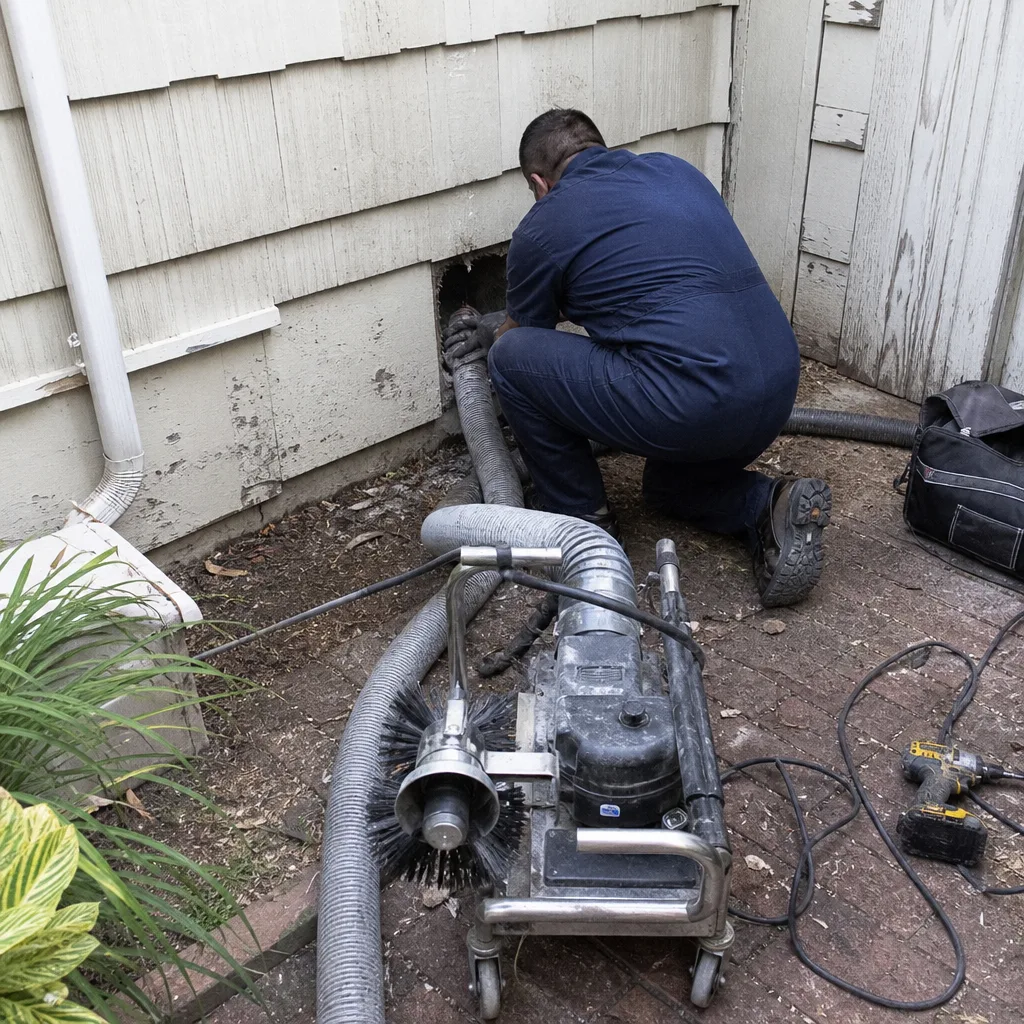 Before
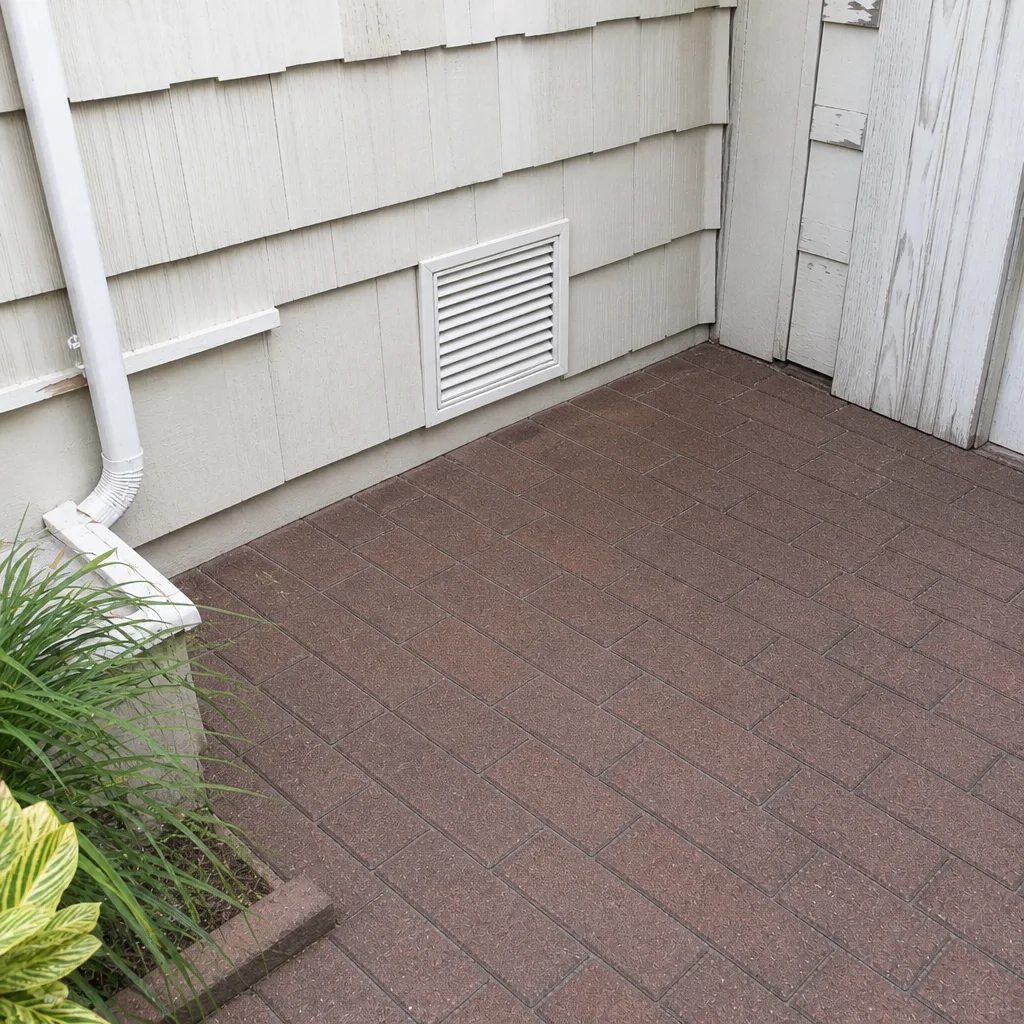 After
When to Call a Professional
Some duct questions are DIY territory, and some aren’t. If you’re seeing dust blow back out of the grilles within days of cleaning, hearing airflow that’s louder at some vents than others, or noticing a musty smell when the system first kicks on, a professional inspection is worth the call. Those are all signs of an underlying duct problem: disconnected sections, crushed flex, inadequate sealing, or a mold concern that a vacuum alone won’t resolve. If you’re buying a home in Peralta Hills and want the duct system verified before move-in, or you’re a landlord turning over a unit and need to know the system is compliant and clean, the same applies. Duct repair and sealing scope, once it’s proposed, is the point at which you want the permit and documentation conversation settled with a contractor who can explain the code basis for what they’re about to do. Our team at Air Duct Cleaning Peralta Hills offers free estimates in Peralta Hills. Call (844) 625-7411. We answer 24/7. Fast dispatch, 7am-7pm, Sunday through Friday.
Frequently Asked Questions
No. Routine cleaning of an existing duct system does not require a permit in Peralta Hills or in unincorporated Orange County. A permit becomes necessary when the work involves repair, alteration, replacement, or relocation of the duct system, and the scope of that work should be confirmed with OC Building & Safety before it starts. Call (844) 625-7411 for a free estimate.
Any repair or modification to a duct system triggers Title 24’s duct sealing and leakage standards. That means when a cleaning uncovers damaged duct that needs to be cut out, sealed, or replaced, the job becomes a Title 24 job and the contractor should document sealing method and leakage test results. Cleaning alone, with everything left intact, stays outside Title 24. Call (844) 625-7411 for an exact quote on a scope that includes sealing.
Section 505 treats maintenance, including cleaning, on an existing system as exempt from permits. Alterations, which include changing duct size, routing, or configuration, and replacing sections of duct, fall on the other side of the line. If a job changes the pathways air travels through, assume it needs a permit until the building department confirms otherwise. Call (844) 625-7411 and we’ll walk through your scope before anything starts.
The quickest test: does the scope involve cutting into or replacing duct, or changing the system’s configuration? If yes, treat it as permitted work. If you’re only cleaning, agitating, extracting, and sanitizing an intact system, it isn’t. Confirm with OC Public Works if the answer isn’t obvious, especially if your parcel might fall within Anaheim city limits instead. Our team can help you sort out which jurisdiction your property sits in. Call (844) 625-7411.
A complete cleaning packet should include before-and-after photos of the duct interiors, the cleaning method and equipment used, product names for any sealant or sanitizing agent applied, static pressure readings at the air handler, the written scope of what was cleaned versus repaired, and any filter specifications reviewed. Rotobrush, Nikro, and Abatement Technologies equipment crews typically record all of that as standard practice, so ask for it. Call (844) 625-7411 to schedule and we’ll confirm what your packet will include.
Yes. If a claim is tied to a duct modification that should have been permitted but wasn’t, insurers can dispute coverage for that part of the loss. The exposure is most acute on duct runs connected to heating equipment and on dryer vent systems, both of which are implicated in residential fire claims. Keep the scope, the permit record where applicable, and the post-job documentation, and disclose any prior unpermitted work when you sell. Call (844) 625-7411 if you need a professional review of what’s in your system now.
The Bottom Line
Cleaning your ducts in Peralta Hills generally doesn’t require a permit. Repairing them usually does, or at least requires you to confirm the answer with OC Building & Safety before the work starts. The line between the two is scope, not the price tag or the crew’s opinion. Title 24 applies the moment ductwork is altered, and the leakage test and sealant documentation that go with it are the proof that the job was done right. Keep your paperwork, ask the right questions before authorizing any repair, and use a contractor who can explain the code basis for their own scope. The result is a clean system with a clean record behind it.
Call (844) 625-7411 for a free estimate on air duct cleaning, dryer vent cleaning, HVAC cleaning, duct repair and sealing, or air quality and sanitizing in Peralta Hills. We answer 24/7. Fast dispatch, 7am-7pm, Sunday through Friday.
Written by the team at Air Duct Cleaning Peralta Hills.