
Last updated November 25, 2026
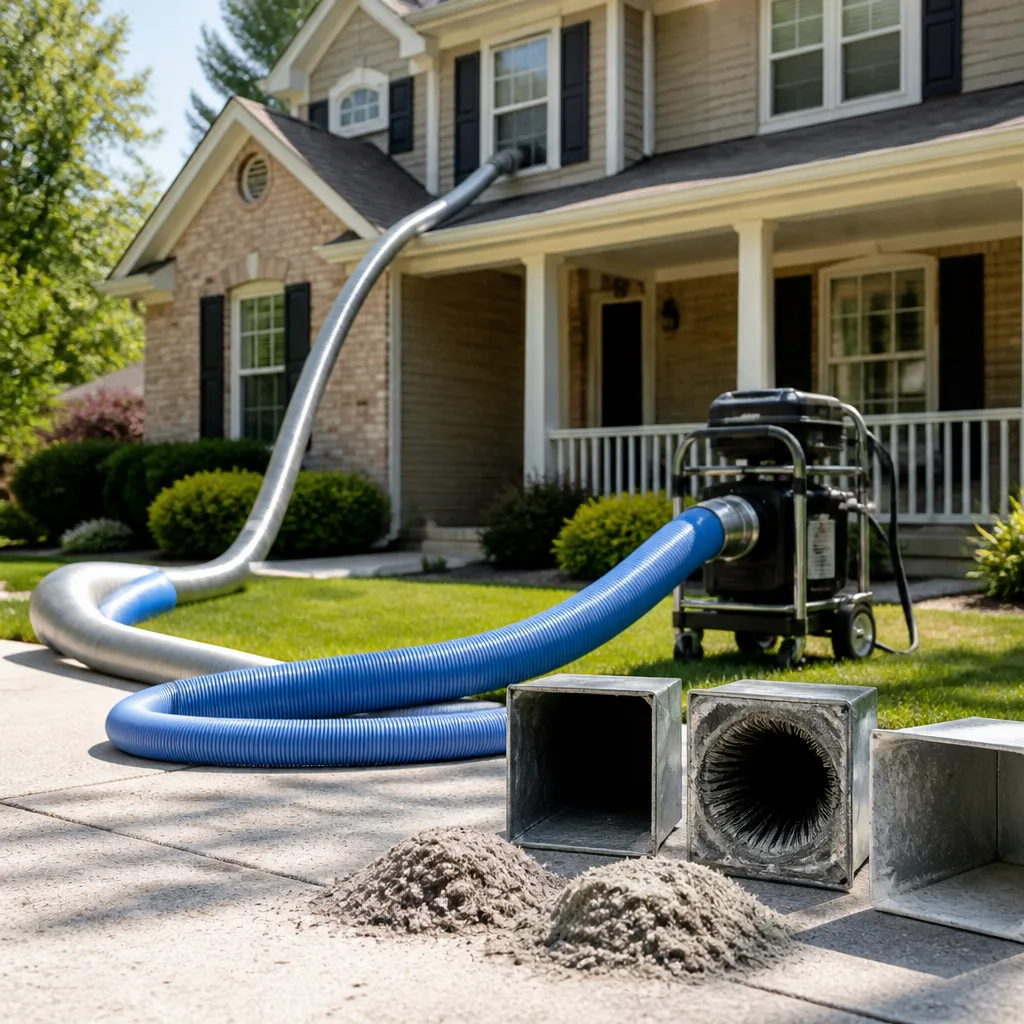 Whole-home duct cleaning
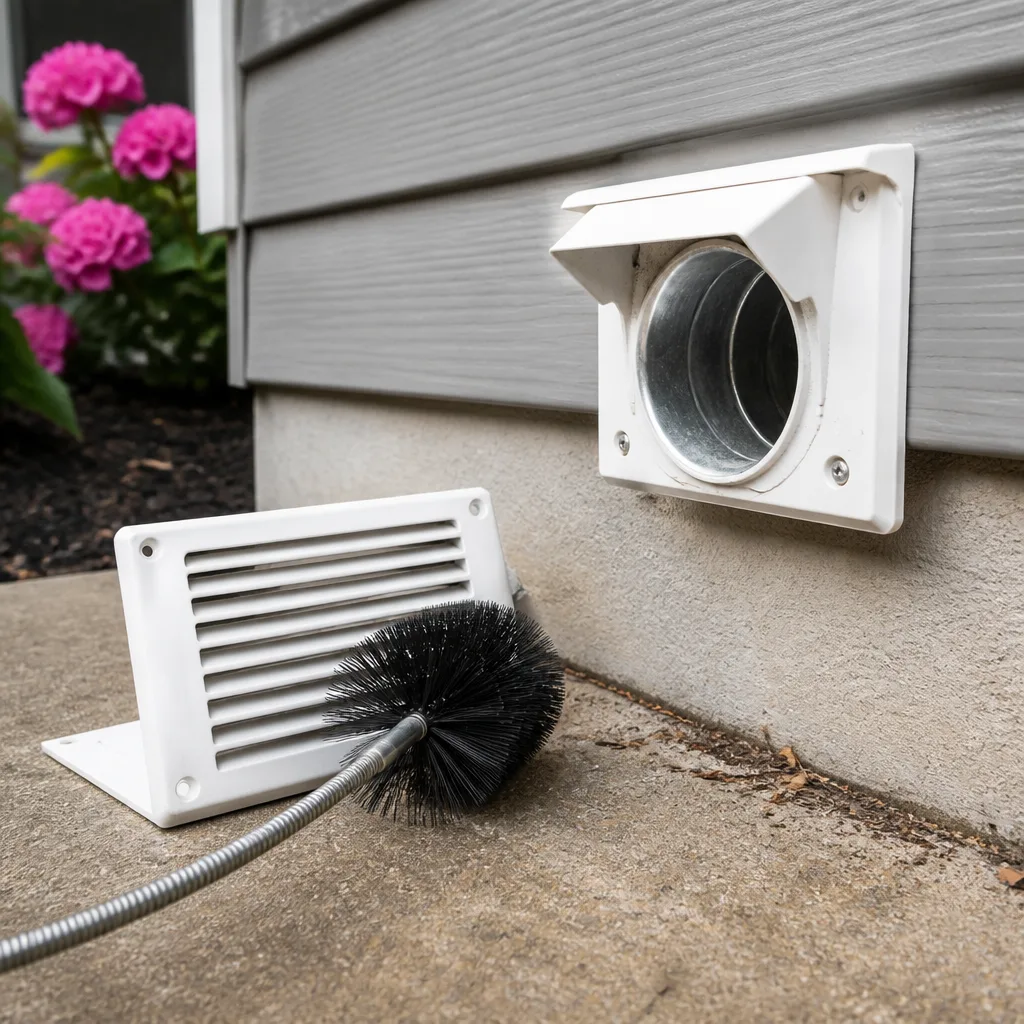 Dryer vent cleaning
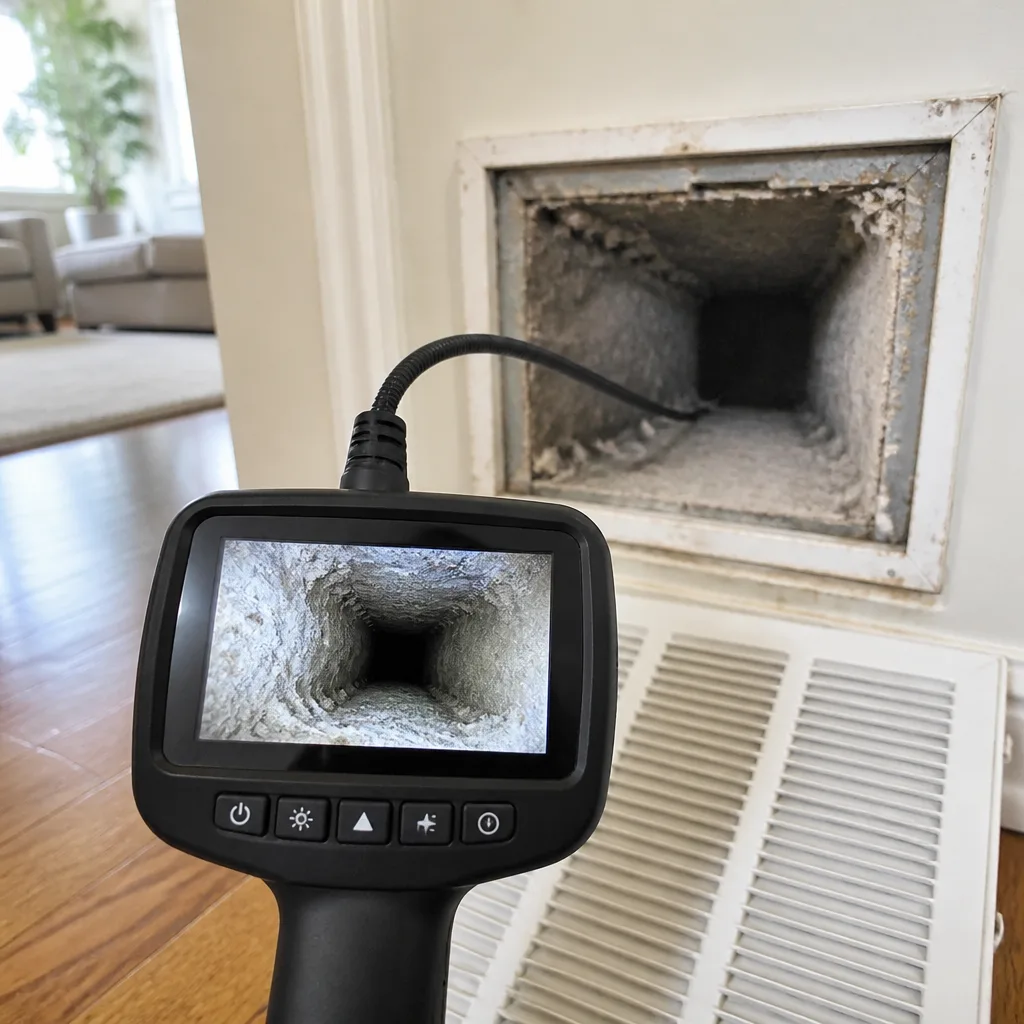 Camera inspection
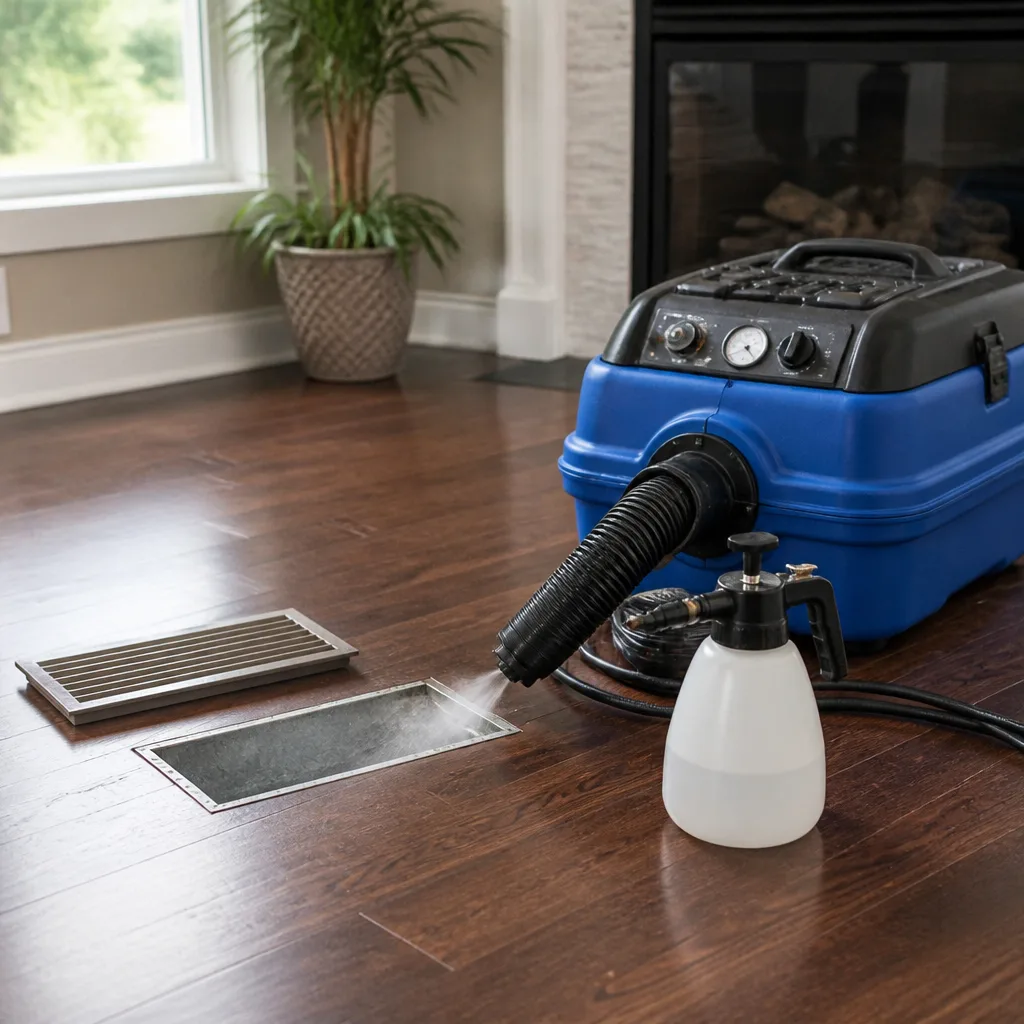 Sanitizing & deodorizing
Whole-system duct and dryer vent check with before-and-after photos - you see exactly what came out of your vents
That "$99 whole-house special" is a bait ad - the real number appears once they are in your hallway, or the "clean" is a shop-vac at the register. We photograph the inside of your ducts before and after instead.
Air Duct Cleaning Warning Signs: A Peralta Hills Homeowner’s Reference Guide
The warning sign every homeowner already knows is dust on the supply registers. It’s also one of the least urgent, because a dirty grille usually points to a filter that’s overdue for a change, not a contaminated duct interior. The signals that actually matter in Peralta Hills are quieter: a musty smell that shows up seconds after the furnace or AC kicks on, a room that never quite gets comfortable, an indoor smoke haze that lingers long after the sky outside clears. This guide sorts those signals into a working hierarchy, so you can tell the difference between a maintenance task and a call you should make today. We’ll cover what each symptom means, how to check it yourself with a phone and a flashlight, and where the professional line sits.
Quick Answer
Air duct cleaning warning signs fall into three tiers: Tier 1 signals like faint register dust or a dusty filter are maintenance issues you can typically address yourself. Tier 2 signals, including musty odors at startup, uneven room temperatures, or rising energy bills with no other explanation, mean it’s time to schedule a professional inspection. Tier 3 signals, such as a strong mold smell, visible soot at return grilles after a wildfire, or debris blowing out of the vents, call for prompt professional cleaning and an air quality assessment.
Styles & brands we work with
- Whole-home duct cleaning
- Dryer vent cleaning
- Camera inspection
- Sanitizing & deodorizing
Table of Contents
- The Three-Tier Warning System for Peralta Hills Homes
- Why Musty Odors After HVAC Startup Outrank General Dust
- Post-Wildfire Smoke Signals Specific to Peralta Hills
- HVAC Performance Warnings: Uneven Rooms, Rising Bills, Short-Cycling
- How to Do a Register-to-Duct Visual Check With a Phone and Flashlight
- Putting the Tiers Into Practice: What Each Signal Tells You
- A Warning Sign Most Duct Guides Skip: The Dryer Vent
- What Professional Cleaning Actually Involves
The Three-Tier Warning System for Peralta Hills Homes
Most warning sign lists treat every symptom as equally urgent, which leaves homeowners either dismissing everything or panicking over nothing. We’ve found it more useful to sort signals by what they actually require. That’s the core of this guide: a diagnostic hierarchy, not a checklist.
Tier 1 – DIY-addressable. These are signs that a component of the system needs attention, not that the ducts themselves are compromised:
- Light, even dust film on supply registers that reappears within a few weeks of wiping
- A filter that turns gray or matted well before its change interval
- Faint dust settling on horizontal surfaces near vents in rooms with heavy foot traffic
- A visible puff of dust the first time the system starts after a long idle period
In our experience, Tier 1 issues usually clear up with a fresh filter, a register wipe-down, and a check that the return grille isn’t blocked by furniture. If the dust returns in days rather than weeks, you’ve moved up a tier.
Tier 2 – schedule a professional inspection. These signals tell you the duct interior may need attention:
- Musty or earthy odors that appear within a minute of the HVAC starting
- Consistently uneven temperatures between rooms on the same floor
- Utility bills climbing with no change in usage habits
- Increased allergy or respiratory irritation at home that eases when you’re away
Tier 3 – call now. These are health or structural signals that warrant prompt action:
- A strong, persistent mold smell, especially combined with visible dark staining around a register
- Visible debris, soot, or particulate blowing out of supply vents when the system runs
- Evidence of pest activity or decomposition inside the ductwork
- Persistent indoor smoke haze well after wildfire smoke has cleared outside
Peralta Hills homes tend to sit on larger lots with mature landscaping, and intake of outdoor particulate through return grilles is a real factor here. That doesn’t automatically mean your ducts are contaminated, but it does mean the Tier 2 signals deserve more weight than they might in a denser urban setting.
Why Musty Odors After HVAC Startup Outrank General Dust
A musty smell is a higher-priority signal than dust because it points to an active condition inside the system, not passive accumulation. Dust on a register measures what didn’t get caught. A smell tells you something is growing or breaking down in the ductwork itself, and that has an air quality dimension.
The tricky part is telling two very different odors apart:
Mold and mildew
A mold smell is earthy, damp, and stale – think wet cardboard or a basement corner. It intensifies with humidity and often appears in summer when the AC runs and condensation is present in the system. If you also see dark spots or staining near a register or on the ceiling around a duct run, that’s a strong push toward Tier 3. Mold spores are not something to manage with a filter change. The right move is a professional assessment, and often sanitizing as part of the cleaning job.
Dead pest decomposition
Pests find their way into ductwork more often than homeowners expect, especially in areas with accessible attic runs or open registers during renovation. The odor of a decomposing animal is sharper and more distinctly unpleasant than mold – closer to rot than to dampness. It may fade over a week or two as the source dries out, but the contamination it leaves behind doesn’t disappear. Both odors warrant a call, but the response differs: mold points to a sanitizing protocol, while a pest issue points to mechanical cleaning, source removal, and a check for how the animal got in.
What to do about it
- Note when the smell appears – at startup, constantly, or only in specific rooms
- Check whether it gets stronger when the fan runs continuously rather than on auto
- Inspect the filter and the register nearest the affected room for staining
- Rule out a non-duct source (a damp closet, a leak under a nearby sink, an old rug) before assuming the ducts
- If the smell is persistent and mold-like, call for a professional that can assess and, if needed, sanitize
Our air duct cleaning work in Peralta Hills routinely starts with an odor assessment for exactly this reason. The smell is the symptom; what we need to find is the source.
Post-Wildfire Smoke Signals Specific to Peralta Hills
Wildfire smoke is one of the few environmental factors in Southern California that leaves a fingerprint inside ductwork, and Peralta Hills homeowners know the routine: the sky clears, but the house doesn’t quite feel right. The signs below are worth watching after any regional smoke event.
- Persistent soot or smoke smell at registers. After the outdoor air clears, run the fan in a closed house and check for a faint burnt smell coming from supply vents. If it’s there, particulate has likely lodged in the ductwork and filter housing.
- Indoor PM2.5 higher than outdoor. A consumer air quality monitor can reveal this: if your indoor particulate reading stays elevated when outdoor readings have dropped, the HVAC system is likely redistributing what entered during the event. This is a Tier 3 signal.
- Discoloration around return grilles. Returns pull in more outdoor particulate than any other opening. Darkening or a fine gray film on the return grille face and the wall around it after a smoke event is a sign that a lot of material passed through – and much of it is now in the duct interior.
- Headaches or irritation that follow the system cycle. If symptoms ease when the HVAC is off and return when it runs, that’s a strong pattern to mention when you call.
Standard dust cleaning doesn’t fully address smoke particulate. Higher-grade filtration matters here. That’s why our toolkit includes Abatement Technologies filtration capability – the same class of equipment used in remediation work – because post-wildfire jobs are particulate jobs, not just dust jobs. If you’re in Peralta Hills and your home went through a smoke event, a professional assessment is the right starting point.
HVAC Performance Warnings: Uneven Rooms, Rising Bills, Short-Cycling
Duct contamination often shows up in system behavior before it shows up as visible dust. These are the indirect signs, and they’re easy to miss because the symptoms look like equipment problems rather than airflow problems.
Uneven room temperatures
If one room stays cooler or warmer than the rest on the same floor, restricted airflow is a likely cause. A duct run partially blocked by buildup, a disconnected section, or a failed seal reduces how much conditioned air reaches that room. The thermostat reads fine; the far bedroom doesn’t. It’s worth noting that this can also be a balance or duct design issue, which is why a professional assessment – rather than jumping straight to cleaning – is the right first step.
Rising utility bills
When the system has to work longer or harder to move the same amount of air, energy use creeps up. An unexplained bill increase over a few cycles, with no change in weather habits or household size, is a diagnostic signal. It won’t point to ducts on its own, but combined with any other Tier 2 sign, it strengthens the case.
Short-cycling
Short-cycling means the system starts, runs briefly, shuts off, and repeats. It can be a thermostat issue, a refrigerant issue, or an airflow restriction. If your ducts are restricted by heavy buildup, the system can hit its limits faster than it should. In our experience, short-cycling is one of the most commonly misdiagnosed indicators – homeowners replace thermostats when the real problem is the air pathway.
All three of these fit cleanly into Tier 2. Any one of them merits a call. Two or more together is a strong signal. And since these overlap with our HVAC cleaning work, we can walk through the full system – not just the ducts – when we assess a Peralta Hills home.
How to Do a Register-to-Duct Visual Check With a Phone and Flashlight
You can gather meaningful information about your own ductwork without any tools beyond a smartphone and a flashlight. This is a passive visual check, not a hands-on effort, and it should stay that way: your ductwork isn’t a serviceable item for a homeowner, and trying to reach into a return or supply run is how small problems become big ones. What you’re checking for is evidence.
- Turn the system off at the thermostat. Cold air and moving fans make it harder to see, and you’ll want a clean view.
- Remove a return grille cover in a central location. Supply registers are fine too, but returns pull the most material. Most covers lift or pivot off; if yours is screwed in and you aren’t sure, leave it.
- Aim a flashlight down the duct. Look for the first few inches of visible duct interior – you’re not going deep, just confirming what’s at the opening.
- Snap a photo with your phone, flash on. The camera catches texture and color the eye misses, and the photo becomes a comparison point later.
- Look for these specifics: dark staining or mottling (possible mold), gray soot film (post-smoke), visible debris or pest droppings, a duct liner that looks torn or loose, and any gap between the duct and the grille boot.
- Repeat at one supply register in the least-ventilated room in the house – the one that’s always a little off. Compare the two photos.
A clean duct opening has a smooth interior and no significant staining. What elevates a photo from “note it” to “call it” is staining, growth, soot, or the presence of a gap or separation. If your photos show any of those, save them. A professional can use them as a starting point, and they help you describe what you’re seeing.
Putting the Tiers Into Practice: What Each Signal Tells You
A hierarchy only helps if you know what action each tier actually produces. Here’s how we’d translate symptoms into next steps for a Peralta Hills home.
- Dust on supply registers, cleaned and returning within weeks: change the filter, check the return for blockage, and note whether the dust pattern changes. Escalate to Tier 2 if the pattern persists or worsens.
- Musty smell at HVAC startup, mild: check for damp sources near the system and observe. Escalate to Tier 2 if it doesn’t clear within a couple of weeks, or to Tier 3 if it grows stronger or comes with staining.
- Uneven temperatures in one room: confirm the register is open and unblocked, then schedule a professional inspection. This sits in Tier 2 unless combined with odor or visible growth.
- Rising energy bills without explanation: review filter condition and register blockage first, then book an inspection if the increase continues.
- Visible debris blowing into the room: stop running the system and call. That’s Tier 3.
- Strong mold smell or visible staining around a register: call. That’s Tier 3, and sanitizing should be part of the conversation.
- Soot smell or elevated indoor PM2.5 after a wildfire: call. Also Tier 3, and one that benefits from filtration-level cleaning rather than routine dust work.
The important thing to hold onto is that these tiers overlap with other possible causes. Asthma flare-ups, for example, might be duct-related or might not be. Uneven room temperatures might be duct restriction or might be a balancing problem. A warning hierarchy helps you prioritize, not self-diagnose. What it does well is tell you when to stop guessing.
A Warning Sign Most Duct Guides Skip: The Dryer Vent
Homeowners focused on their HVAC ducts often overlook the other air pathway in the house: the dryer vent. Dryer vent lint buildup is a leading cause of residential fires nationally, and it’s a warning sign that lives outside the three-tier system because the consequence is so different. There’s no such thing as a cosmetic dryer vent warning.
Signs worth acting on:
- Clothes take longer than they used to in the same dryer on the same setting
- The dryer body or the wall around the vent feels hot to the touch after a cycle
- A burning or overheated smell in the laundry room during or after a load
- Lint visible around the exterior vent flap, or the flap no longer opens fully
- Condensation on the laundry room windows or walls after a load
Any of these is a call-now situation, and it’s why we include dryer vent cleaning alongside our duct work. A whole-home air system includes both pathways, and a homeowner who’s careful about one but not the other has a partial picture. In our experience, most people have their dryer vent cleaned exactly once after a scare. The better pattern is to treat it as a scheduled part of home maintenance, the same way you’d treat the HVAC filter.
What Professional Cleaning Actually Involves
Understanding what good cleaning looks like is the surest defense against the industry’s biggest trust problem: the low-teaser-price visit that turns into a bigger invoice once the technician is on site. Here’s what a professional job involves, so you know what you’re paying for.
Mechanical duct cleaning means agitating the duct interior to loosen what’s bonded to the walls, then extracting it under negative pressure. A shop vacuum can’t do either of those things properly in a residential duct system. Purpose-built equipment can. That’s why we use the Rotobrush rotary brush system for agitation and high-efficiency extraction, and Nikro equipment for negative-pressure containment. The negative pressure piece matters more than most homeowners realize: it’s what keeps the loosened debris from re-entering your living space.
For jobs with allergen load, mold risk, or post-wildfire particulate, we bring Abatement Technologies filtration capability into the process. That’s remediation-grade filtration. It’s also the difference between a dust job and a contamination job.
And because sealing what we clean is part of the job, we offer duct repair and sealing as a core service. A duct with a disconnected section or a failed joint doesn’t hold a clean air pathway, no matter how well it’s cleaned. Sealing makes the cleaning hold. If you’re adding air quality hardware – we work with Honeywell and Aprilaire systems – that work happens in the same visit as the cleaning, because a high-efficiency filter or humidity control system performs better when the duct pathway is sound.
Common Mistakes to Avoid
- Treating every warning sign as equally urgent. A ranking system exists because dust on a register and a mold smell require different responses. Sorting signals helps you act on the right ones first, and skip the panic.
- Assuming a filter change resolves the problem. A new filter is a good Tier 1 response. If the dust returns within weeks or the odor persists, the filter isn’t the issue – and in Peralta Hills, our dense-tree landscaping means filters can load up faster than a homeowner expects.
- Confusing a dryer vent with an HVAC duct. They’re two different pathways with different cleaning needs. Dryer vent lint buildup is a fire safety issue and belongs on the same maintenance calendar as the HVAC filter.
- Hiring on price alone. A quote that comes in far below others usually reflects a smaller job than the one you need. Ask what equipment will be used, and whether the quote covers the whole system rather than only the visible runs.
- Skipping the post-wildfire assessment. Smoke particulate is different from dust, and a routine cleaning may not address it. If you smell smoke inside after the outdoor air clears, treat it as Tier 3.
- Reaching into ductwork yourself. It’s tempting to fish around a return with a vacuum attachment. Duct liners tear, joints separate, and you can’t tell what you’ve dislodged. Save the photos and let a professional use them.
- Ignoring short-cycling. It’s one of the most commonly misattributed HVAC symptoms. If you’re replacing thermostats without resolving it, ask about airflow restriction next.
See the difference
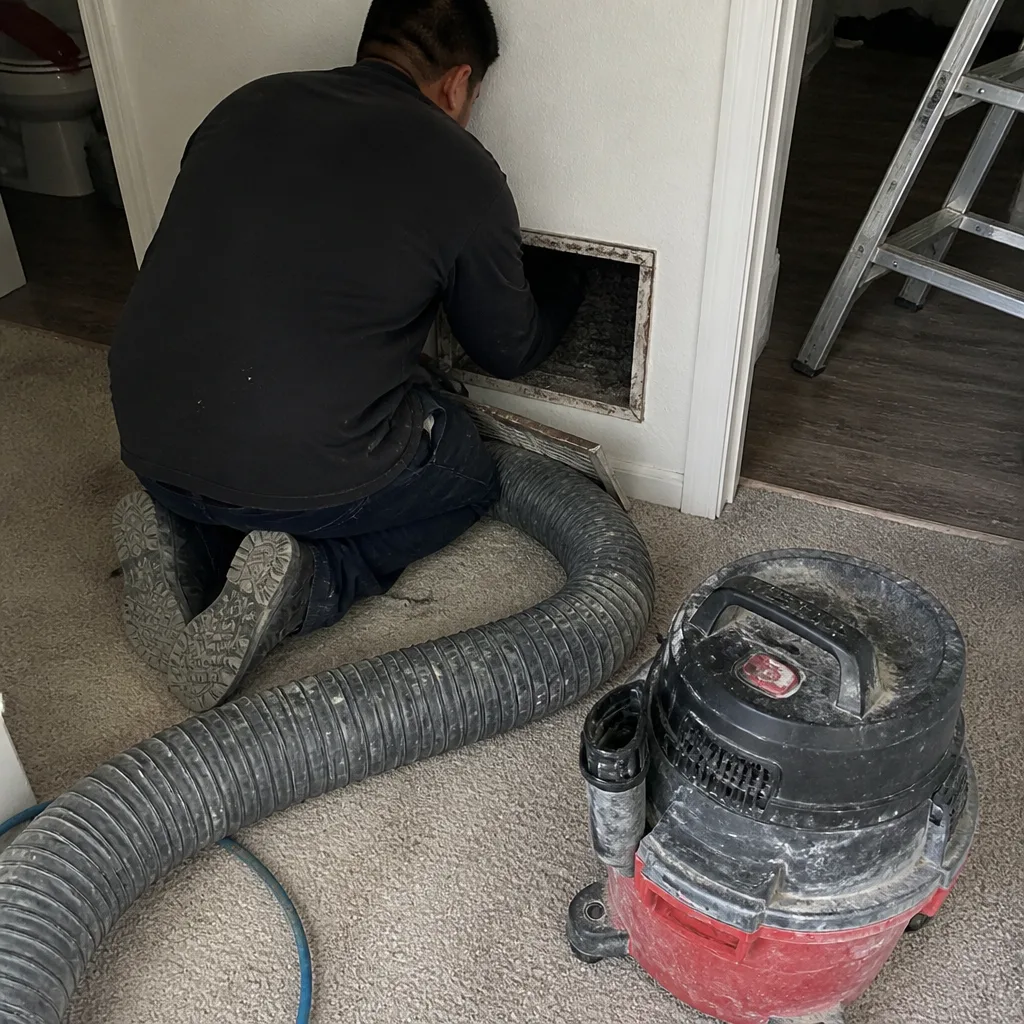 Before
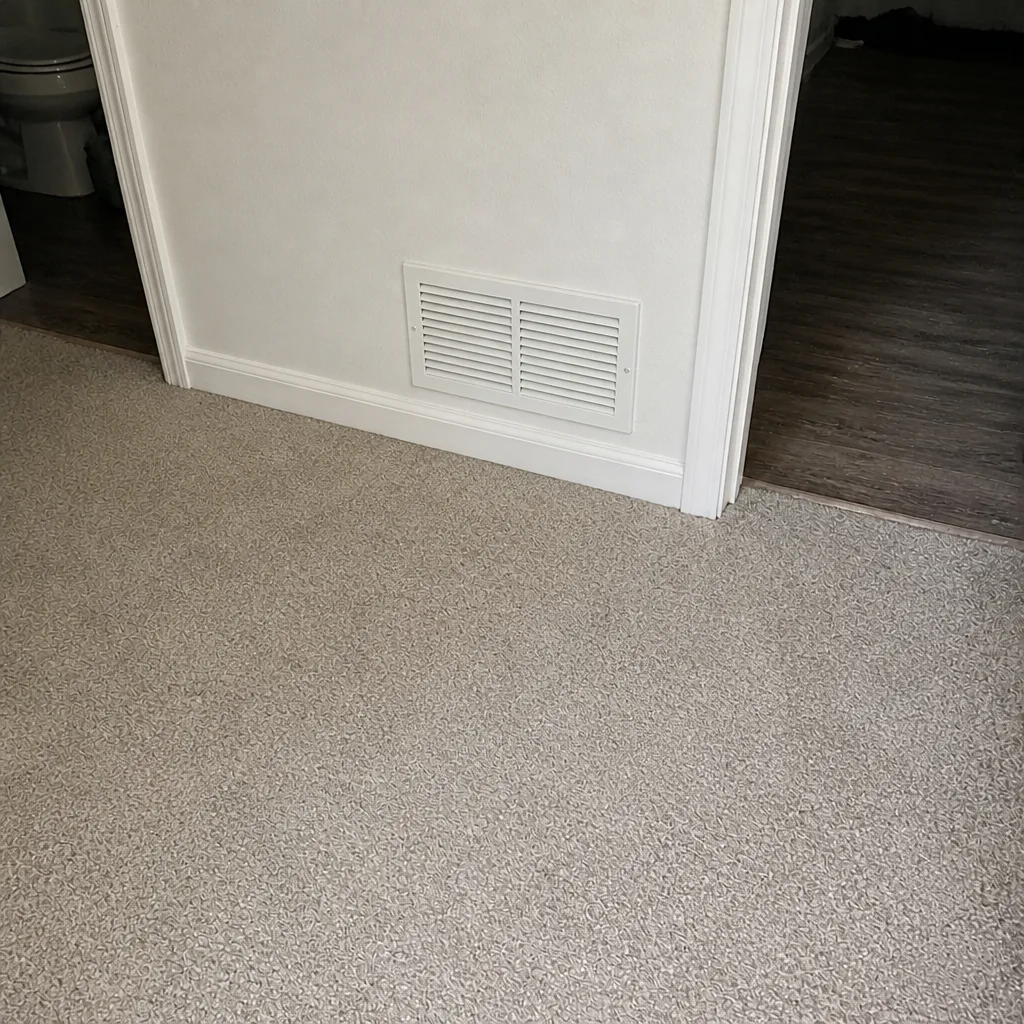 After
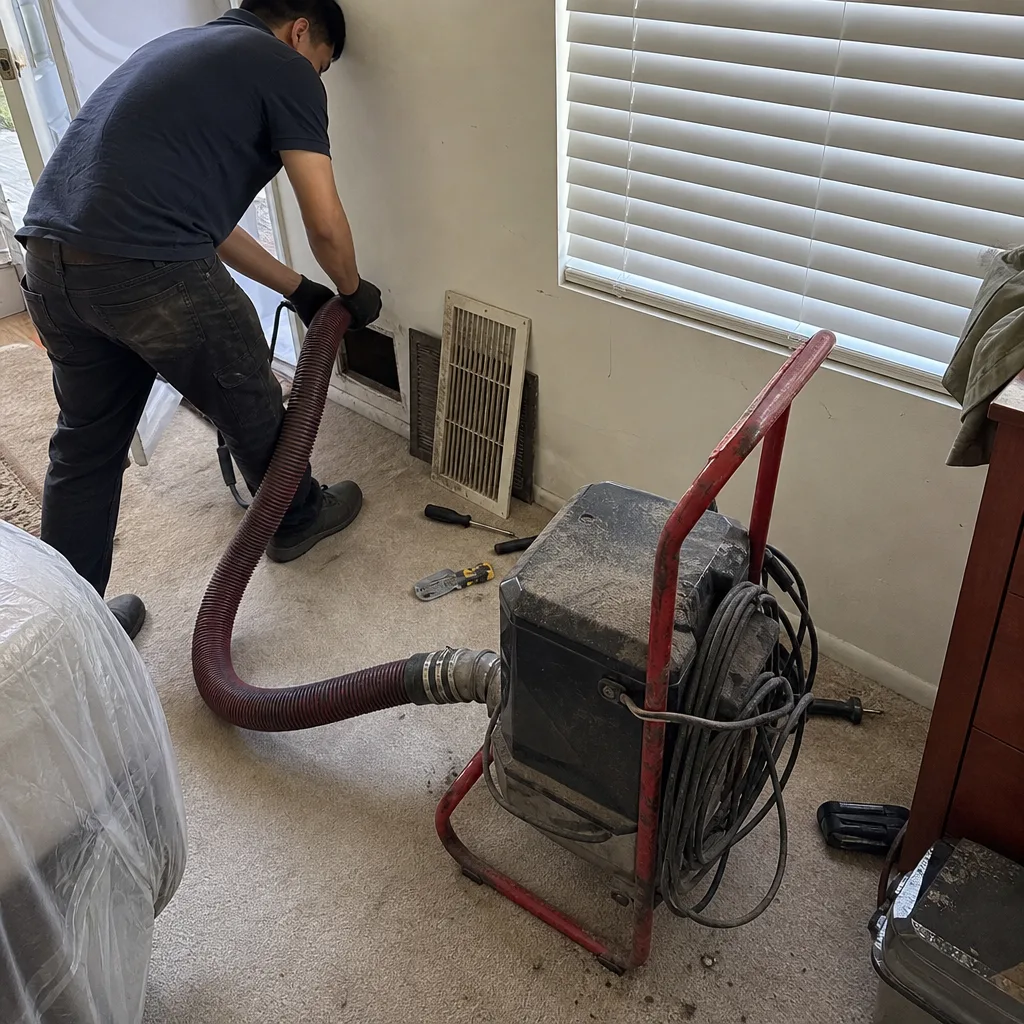 Before
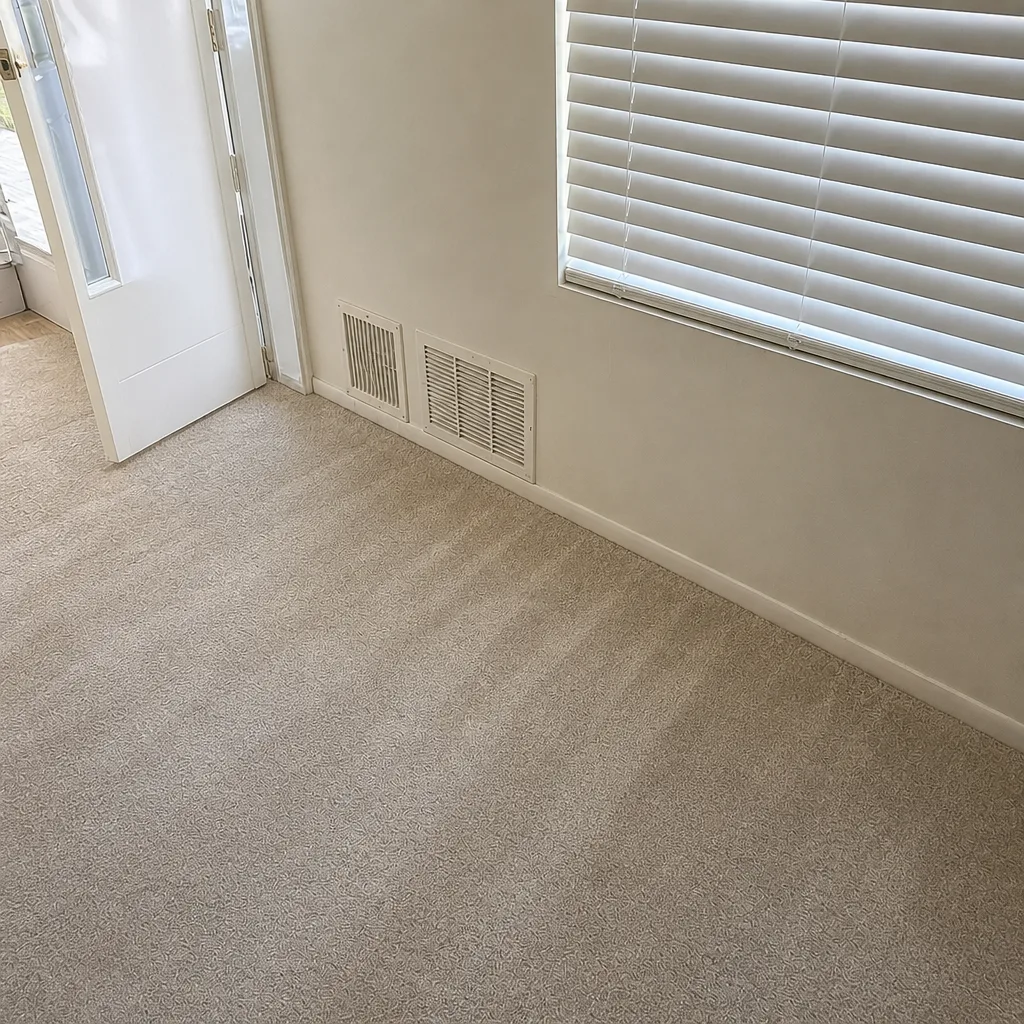 After
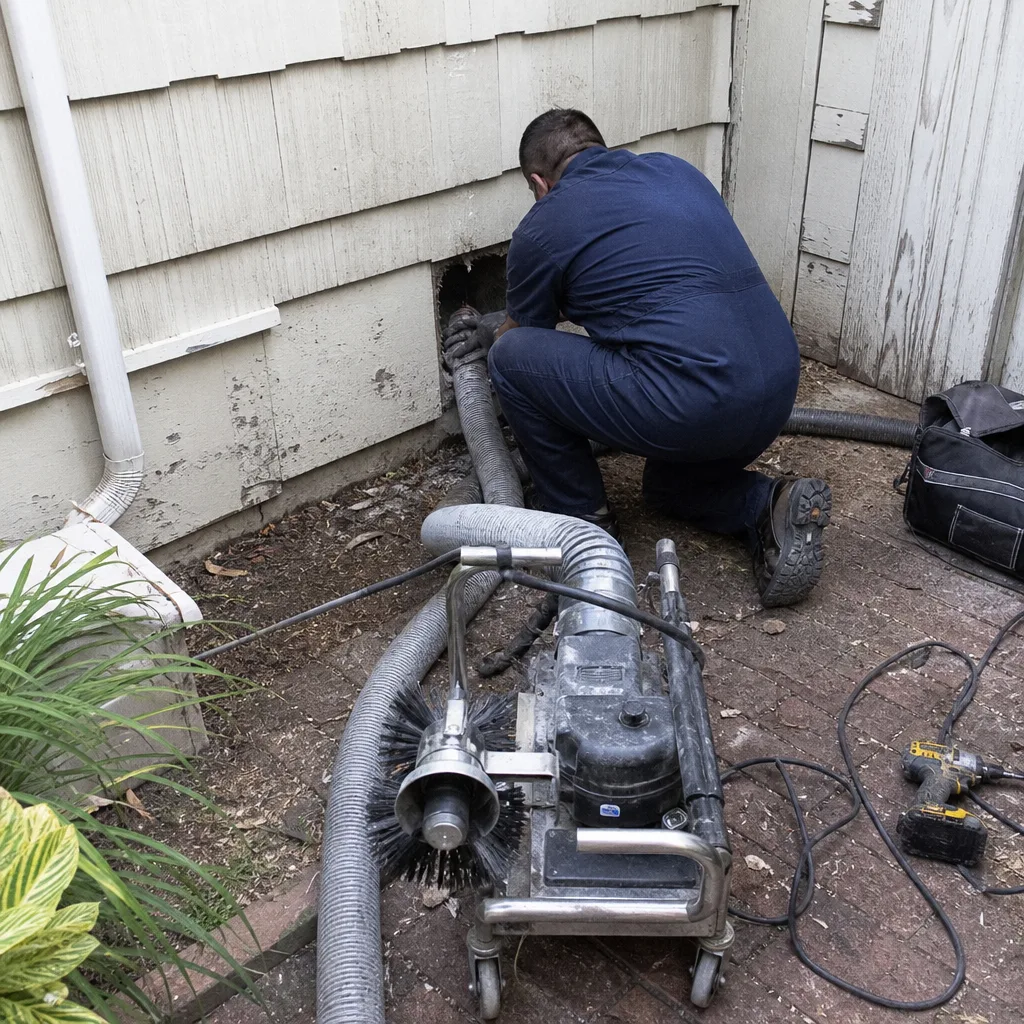 Before
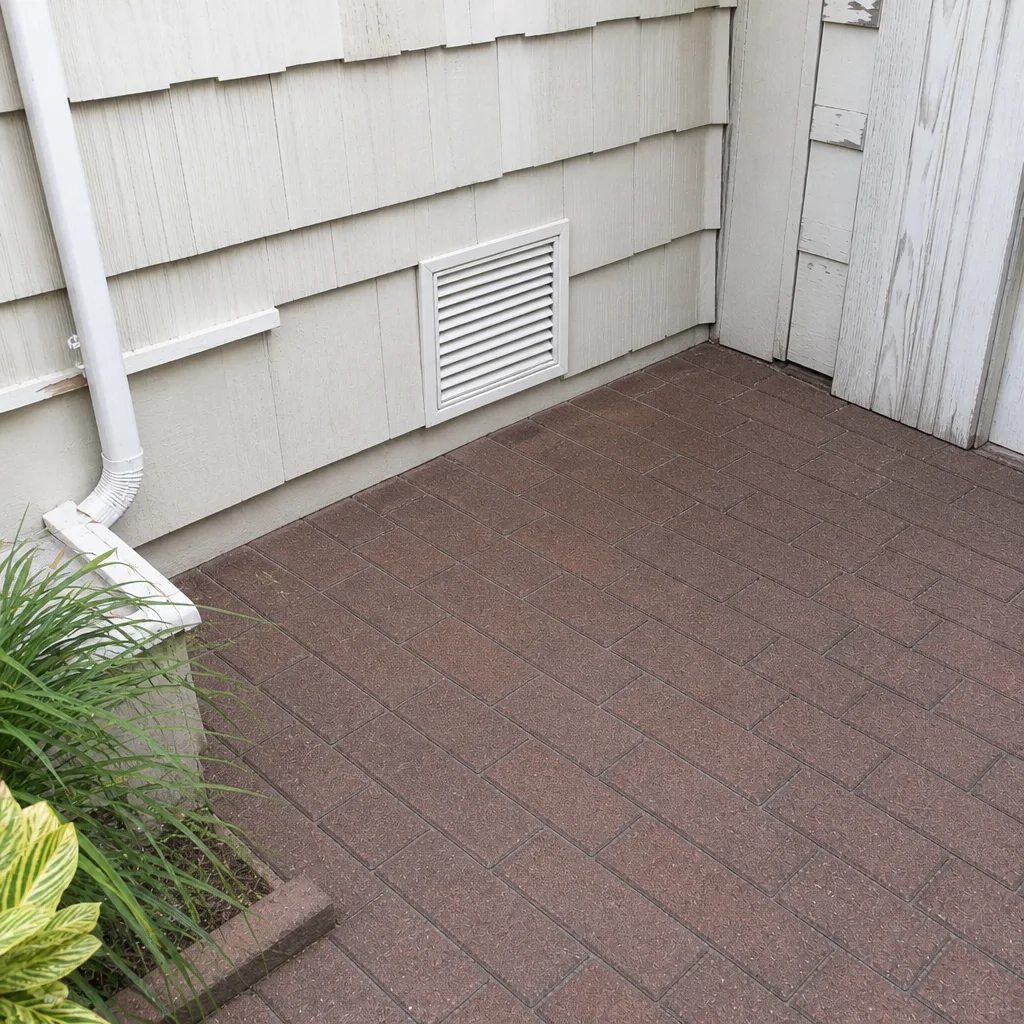 After
When to Call a Professional
Call if you smell mold or decomposition when the system starts. Call if you see staining, soot, or debris at a register, or if your indoor air quality monitor shows elevated particulate long after outdoor air has cleared. Call if a room won’t get comfortable no matter what you set the thermostat to, or if your energy bills jump without explanation. Call if your dryer takes longer than it used to, or the wall around the vent runs hot. Any of these is the professional line – and once you’ve crossed it, a proper assessment saves time over guessing.
Air Duct Cleaning Peralta Hills offers free estimates in Peralta Hills. We’d rather look at a job and tell you it doesn’t need cleaning than sell you a job you don’t need. Call (844) 625-7411 for a free estimate. We answer 24/7, and fast dispatch runs from 7am to 7pm, Sunday through Friday.
Frequently Asked Questions
A persistent mold smell that appears when the HVAC starts is the strongest single signal to call, because it points to an active condition inside the ductwork rather than passive dust. Soot smell or elevated indoor PM2.5 after a wildfire is the second, and visible debris blowing from a vent is the third. Each of these is a Tier 3 signal and warrants prompt assessment. Call (844) 625-7411. We answer 24/7, and fast dispatch runs from 7am to 7pm, Sunday through Friday.
We don’t quote over the phone, and we don’t use teaser prices. The honest number is a written estimate after we see the system. What we can tell you is how we price: one flat price per system, agreed before work starts, no per-vent pricing. That’s the structure that avoids the bait-and-switch problem in this trade. Call (844) 625-7411 for an exact quote – estimates are free.
Because they’re usually a different job. In our experience, low quotes often mean the technician is cleaning only the reachable runs with a vacuum rather than mechanically agitating and extracting the full system under negative pressure. We use Rotobrush rotary brush systems for agitation and Nikro equipment for negative-pressure extraction on every job, not as an upgrade. Ask any duct cleaner what equipment they’ll bring and whether the quote covers the whole system. Call (844) 625-7411 for an exact quote – estimates are free.
Ask for before-and-after photos of your own ducts, not stock photos. A legitimate cleaning shows visible difference. At the start of the job, we photograph what we find, and after the job, we photograph the same locations. That’s the standard you should expect. Call (844) 625-7411 for an exact quote – estimates are free.
There’s no fixed interval, and anyone who tells you there is one hasn’t looked at your system. Warning signs drive the answer, not a calendar. Homes near heavy landscaping or that experienced a regional wildfire smoke event run a higher schedule than a home with clean returns and no odor. If you’re seeing any Tier 2 or Tier 3 signs, that’s your prompt. Call (844) 625-7411 for an exact quote – estimates are free.
Yes, if it’s on the same maintenance cycle. The dryer vent and HVAC ducts are different pathways, but both need attention, and the dryer vent is a fire safety item rather than an air quality one. If your dryer takes longer than it used to, or the wall near the vent runs hot, don’t wait. Call (844) 625-7411 for an exact quote – estimates are free.
The Bottom Line
Not every warning sign means your ducts need cleaning. Sorting them into tiers – DIY-addressable, schedule an inspection, call now – lets you act on the right ones first. The dust on your registers deserves a filter change. The musty smell when the system starts deserves a look. The soot haze after a wildfire, the mold smell, or the debris blowing into a room deserves a call today. That’s the whole hierarchy, and it’s the way a homeowner keeps the system honest. If you’re seeing anything up the list, or you just want a free estimate on where your system stands, call us. We’d rather tell you it doesn’t need cleaning than sell you work you don’t need.
Call (844) 625-7411 for a free estimate. We answer 24/7, and fast dispatch runs from 7am to 7pm, Sunday through Friday.
Written by the team at Air Duct Cleaning Peralta Hills.